How to check a home builder in Adelaide is actually quality
Every builder’s display home is finished to a standard the contract does not require. Every website carries the same three words about craftsmanship, and every reference the builder offers you is a client who had a good experience. None of that is evidence, and none of it predicts what happens on your block when the frame goes up and a decision has to be made without you.
Finding quality home builders in Adelaide is a verification problem, not a shortlisting problem. This article sets out the 12 checks that reveal how a builder actually operates, what the South Australian licensing and warranty framework entitles you to confirm, the questions that produce useful answers, and how to test the plan before you are contractually committed to it.
>>> Learn more about how to identify quality home builders
Quality home builders Adelaide: The 12 checks that matter
Work through these in order. The early ones are free and take an afternoon. The later ones cost a little and save a great deal.
- Licence status and history: Confirm the builder’s licence with Consumer and Business Services South Australia, including the licence number, the entity name on the licence and any conditions. The entity that quotes you must be the entity that holds the licence.
- The entity behind the trading name: A trading name is not a company. Check the ABN and ACN, how long the company has existed, and whether the directors have previously operated under other entities.
- Building indemnity insurance: South Australia requires building indemnity insurance for domestic building work above the prescribed threshold. Ask which insurer, and confirm the builder’s eligibility limit is comfortably above your contract value.
- Financial headroom: An eligibility limit close to your project value means your job is at the top of what the insurer will support. That is a risk signal worth understanding.
- Current workload: How many homes are under construction right now, and how many site supervisors are running them. A supervisor carrying twelve jobs cannot give yours attention.
- Who actually supervises: Meet the site supervisor, not just the sales representative. Ask how often they attend, and what triggers an unscheduled visit.
- The specification, not the inclusions brochure: The brochure sells. The specification governs. Ask for the full document and read the provisional sums and prime cost items.
- How variations are priced: A stated margin percentage, disclosed up front, is a good sign. “We will price it fairly at the time” is not.
- Defect and maintenance process: What happens at practical completion, what the handover inspection covers, and how defects are logged and closed.
- Subcontractor continuity: Whether the trades are long-standing or reassembled per job. Continuity shows up in finish quality more than any material choice.
- Two references from finished builds, and one from a job that went wrong: Any builder can supply a happy client. The instructive reference is the difficult one, and a confident builder will give you one.
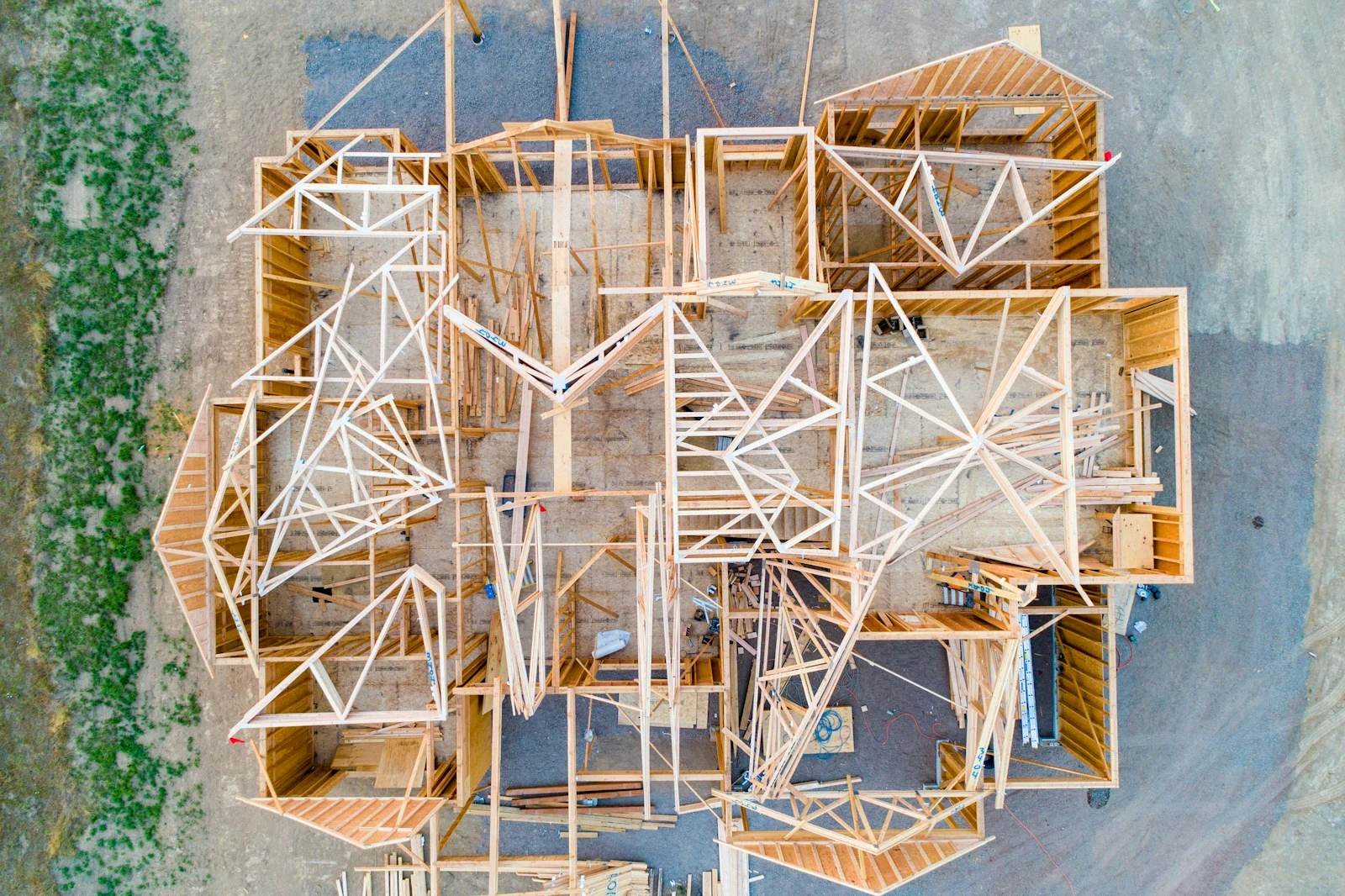
- A site visit to a home at frame stage: Not a display home. A working site tells you about tidiness, protection of finished work, and whether the frame matches the plan.
Key insight: You are not assessing whether the builder can build a good house. Most licensed builders can. You are assessing what happens when something goes wrong, because something will.
What South Australian regulation entitles you to check
South Australia has a defined consumer framework for domestic building work, and most of it is checkable before you sign.
| What to verify | Where | Why it matters |
|---|---|---|
| Builder licence and conditions | Consumer and Business Services SA | The licensed entity must match the contracting entity |
| Building indemnity insurance | The named insurer, via the builder | Covers you if the builder dies, disappears or becomes insolvent |
| Contract form and cooling off | Your own legal adviser | Domestic building contracts carry statutory protections |
| Development approval pathway | Your council or a private certifier | Approval is separate from anything the builder promises |
| Energy performance | NatHERS assessment for the design | NCC 2022 requires a 7-star whole-of-house standard plus Whole of Home |
| Mandatory inspections | Your council or certifier | Confirms who inspects and at which stages |
Confirm current requirements and thresholds with Consumer and Business Services before relying on any figure, because they are reviewed periodically.
What this means for your decision: A builder who answers these promptly and in writing is showing you their governance. A builder who treats them as distrust is telling you something too.
The questions that produce useful answers
Most buyer questions invite a rehearsed reply. These do not.
- “Show me a variation you issued on a recent job, with the pricing”: Redacted for privacy. You are looking at the format, the detail and whether time and cost effects are stated.
- “What is your average number of variations per home?”: A builder who tracks this is running a business. One who has never counted is running a series of jobs.
- “What was the last thing you got wrong on site, and what changed afterwards?”: The answer reveals whether there is a feedback loop.
- “Who decides when I am not available?”: Establishes the escalation path before you need it.
- “How do you handle a client who changes their mind at lock-up?”: You will be that client at least once.
- “What is in your programme, and will I get a copy?”: A builder with a real programme will show you one. A builder without one will describe a duration.
>>> Learn more about the best home builders in Adelaide
Where quality actually shows up in Adelaide conditions
South Australian sites bring specific pressures, and how a builder handles them is a quality signal.
- Reactive clay soils: Much of metropolitan Adelaide sits on reactive clay. Site classification under AS 2870 drives the footing design, and a builder who explains the classification and its cost consequence early is being straight with you.
- Western sun and summer heat: Adelaide sits in NCC climate zone 5 at roughly 34.9 degrees south. Late afternoon western exposure is the dominant comfort problem, and eaves alone will not solve it.
- Winter solar access: Northern glazing that a modest eave shades in summer and admits in winter is the cheapest comfort measure available, and it is a design decision made before the slab.
- Stormwater and site levels: Fall, drainage and the relationship to the street are frequently under-documented on sloping Adelaide blocks.
- Bushfire and coastal exposure: Where the site carries a bushfire attack level or coastal corrosion exposure, the material specification changes materially, and so does the price.
Reading a fixed-price contract properly
“Fixed price” describes the contract sum, not the final invoice. What moves it is documented in the contract you are about to sign.
| Contract element | What to look for |
|---|---|
| Provisional sums | Allowances for work not yet defined. Every one is a future adjustment |
| Prime cost items | Allowances for items not yet selected. Tapware, tiles, appliances |
| Site cost allowance | Excavation, footings, rock, retaining. The most common overrun |
| Variation margin | The percentage the builder adds. Ask for it in writing |
| Delay and extension of time | What entitles the builder to more time, and whether costs follow |
| Progress payment stages | Whether the schedule is front-loaded relative to work completed |
| Practical completion definition | What must be finished before the final payment falls due |
Have a lawyer read it. The fee is a fraction of one variation.
Testing the plan before you are committed
The most expensive misunderstanding on a residential project is spatial, and it survives every document review because plans are not how people judge space.
- Walk the home at full scale before signing: Ceiling heights, corridor widths, the distance between the island and the rear bench, the turn at the top of the stairs. These are judged by standing in them, not by reading a dimension.
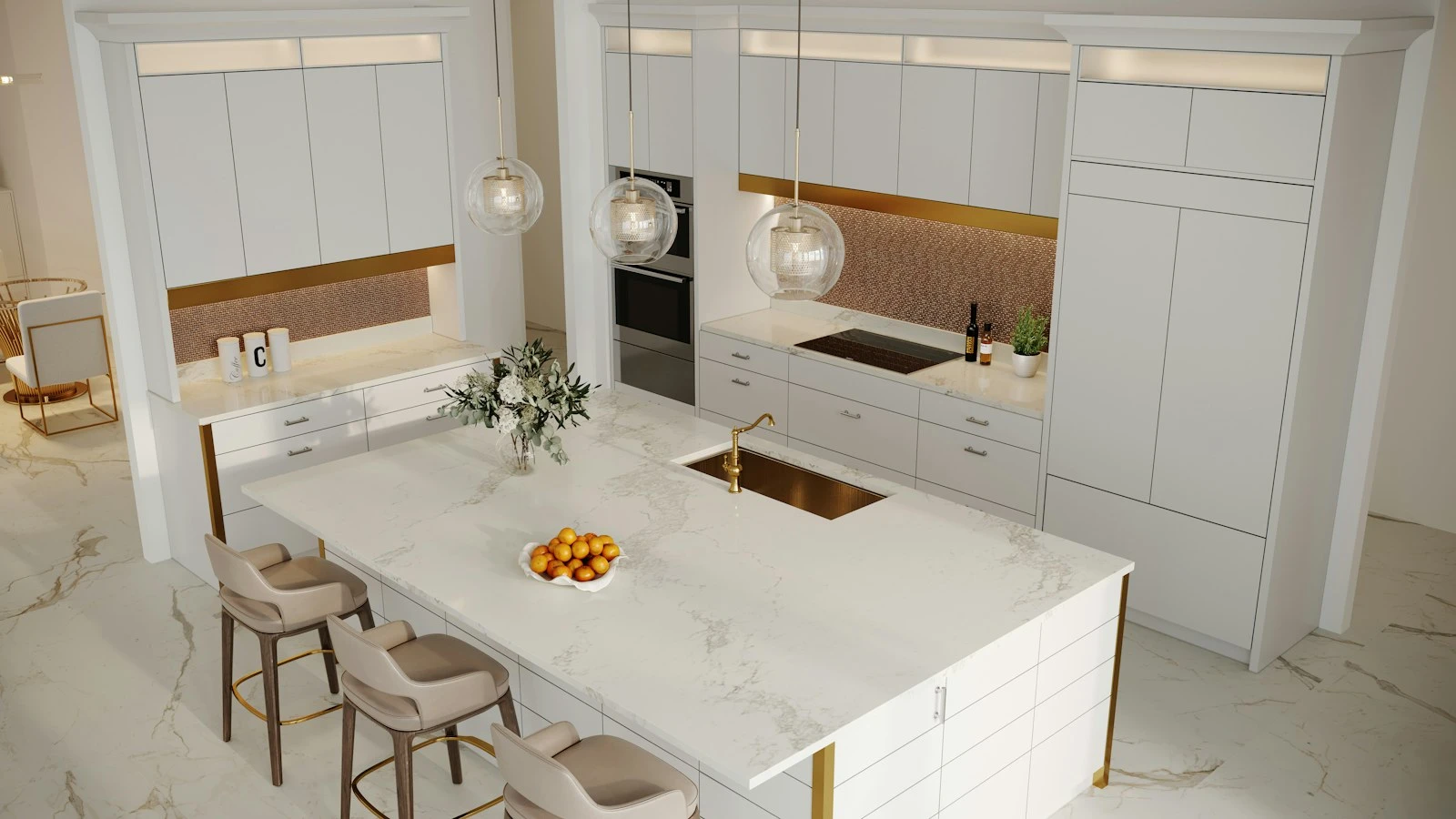
- See the finishes in position: A 600 by 600 tile and a 1,200 by 600 tile look similar on a sample board and different in a room.
- Test the orientation: A sun study using true north from survey and Adelaide’s real latitude shows whether the living space gets the winter light the design assumes.
- Lock selections before the contract, not after: Late selections are the most common client-caused delay in Australian residential work.
- Get the approval in writing, against a drawing revision: So that what you approved and what the contract covers are the same thing.
Key insight: Decisions resolved before the contract is signed cost nothing to change. The same change during construction is priced at the builder’s margin, at a point where you have no competitive leverage.
>>> Learn more about architectural visualisation in Adelaide
Warning signs worth acting on
- Pressure to sign at the meeting: A discount that expires today is a sales technique, not a saving.
- Reluctance to name the site supervisor: The person who runs your job should not be a mystery at contract stage.
- A specification that will not be issued before signing: There is no legitimate reason for this.
- Deposit demanded before a contract is provided: Check what the statutory limits are and do not exceed them.
- A programme that cannot be produced: If the builder cannot show you a schedule, they are not managing one.
- Every reference is a current job: You want to speak to people who have lived in the house for a year.
How DX Living supports Adelaide clients
DX Living is a project control specialist firm that combines project planning with visualisation to de-risk residential projects before construction. For a homeowner assessing builders in Adelaide, that means an independent review of the plan before the contract is signed: The design walked at full scale in DX Studio, finishes reviewed in position through DX Interiors, and the programme made legible so the durations in the contract can be understood rather than accepted. High-end residential engagements run through DX Prestige, with delivered work in the project collection.
DX Living is not a builder, an architecture practice or a licensing authority, does not recommend or endorse individual builders, and visualisation does not replace documentation, engineering certification, building approval or independent legal and building inspection advice.
Conclusion
Identifying quality home builders in Adelaide comes down to verifying governance rather than admiring finishes. Check the licence and the entity, confirm the indemnity insurance and its eligibility limit, read the specification instead of the brochure, get the variation margin in writing, meet the supervisor, and speak to a client whose job went badly. Then test the plan at full scale before you sign, because the misunderstanding that costs the most is the one no document review will catch.
Want the plan reviewed before you commit? Talk to DX Living.
FAQs
How do I find quality home builders Adelaide homeowners can rely on?
Verify rather than shortlist. Confirm the licence and conditions with Consumer and Business Services SA, check the contracting entity’s ABN and history, confirm building indemnity insurance and the eligibility limit, read the full specification including provisional sums and prime cost items, meet the site supervisor, and ask for a reference from a job that went wrong.
What licence does a home builder need in South Australia?
Domestic building work in South Australia requires a builder’s licence issued by Consumer and Business Services. Confirm the licence number, the exact entity name and any conditions, and check that the entity holding the licence is the same entity that will sign your contract. Requirements are reviewed periodically, so verify current details directly.
What is building indemnity insurance and why does it matter?
Building indemnity insurance covers a homeowner where the builder dies, disappears or becomes insolvent before the work is complete or defects are rectified. It is required for domestic building work above a prescribed threshold in South Australia. Ask which insurer covers the builder and whether their eligibility limit sits comfortably above your contract value.
What should I check in a fixed-price building contract?
Provisional sums, prime cost items, the site cost allowance, the variation margin percentage, the extension of time provisions, the progress payment schedule against actual work completed, and the definition of practical completion. Fixed price describes the contract sum, not the final invoice, and these items are what move it.
How many variations is normal on an Adelaide home build?
There is no published benchmark, which is why the more useful question is whether the builder tracks the number at all. A builder who can tell you their average is running a measured business. Most variations on residential work are caused by misunderstanding rather than by genuine change, which is why resolving decisions before contract matters.
Can 3D visualisation help me choose a builder?
It does not assess the builder, but it removes the largest source of later dispute by settling spatial and selection decisions before the contract is signed. Walking the home at full scale reveals ceiling heights, corridor widths and joinery clearances that no plan communicates, and an approved record tied to a drawing revision makes the contract specification legible.
What are the warning signs of a builder to avoid?
Pressure to sign at the meeting, a discount that expires that day, reluctance to name the site supervisor, refusal to issue the specification before signing, a deposit demanded before a contract is provided, no construction programme available, and references that are all current jobs rather than completed homes.
References
- Consumer and Business Services South Australia. Builders licensing.
- Government of South Australia. Building and development approvals.
- Australian Building Codes Board. National Construction Code 2022.
- Nationwide House Energy Rating Scheme. Star ratings and Whole of Home.
- Standards Australia. AS 2870 residential slabs and footings.
- Australian Competition and Consumer Commission. Consumer guarantees.
- Australian Government. Your Home, orientation and passive design.
Recent Articles

What to send your visualisation studio: A 3D rendering brief checklist
Digital twins for residential construction in Australia: What they actually do