Plan versus actual reporting on residential projects: What the client actually sees

Every Australian residential project generates the same phone call around week eight. The client drives past, sees no visible change since their last drive-past, and rings to ask whether anything is happening. The honest answer is usually yes, a great deal, none of it visible from the street. The reason the call happens at all is that nobody gave the client a scheduled way to find out.
Plan versus actual reporting on construction projects is the cheapest dispute-prevention instrument available, and on residential work it is almost never done. This article sets out what a client-facing report should contain, how to structure it so it holds up if a delay is later disputed, the distinction between reporting variance and arguing about cause, and how the same record supports forensic delay analysis if it comes to that.
>>> Learn more about construction programme visualisation
Plan vs actual reporting construction: What the client should receive
A residential client does not need a planner’s report. They need six things, on a fixed cycle, in the same format every time.
- Where we are against the milestone timeline: The named milestone list from the pre-contract conversation, with the current position marked.
- What was planned this period, and what was achieved: Two lists, side by side, with no commentary between them.
- The variance, stated as a number: Days ahead or behind against the named baseline. Not “slightly delayed”.
- Float position on the critical path: Whether a late task has consumed float or moved the completion date. These are entirely different situations and clients cannot tell them apart unless told.
- What happens next period: The next three to six weeks, in plain language, including what will be visible on site.
- Decisions due from the client, with dates: The single highest-value line in the report, because late client decisions are the most common client-caused delay in Australian residential work.
Key insight: Clients who receive a scheduled report stop making unscheduled calls. The reporting cycle is not administrative overhead, it is what buys the site team back its week.
Structuring the report so it holds up later
A progress report is a contemporaneous record. On a project that ends in a dispute, it becomes evidence, and it will be read by people looking for inconsistency.
| Practice | Why it matters if disputed |
|---|---|
| One named baseline, versioned and dated | Every variance claim is measured against it, so it must be unambiguous |
| Fixed reporting cycle, never skipped | Gaps in the record read as concealment |
| Variance stated factually, cause stated separately | Merging the two turns a record into an argument and weakens both |
| Delay events recorded when they occur | Reconstructed causation after the fact is heavily discounted |
| Contractual notices consistent with the report | An inconsistency between the notice and the report is the first thing challenged |
| Photographic record dated and located | Undated photographs prove very little |
| Re-baselines shown alongside the previous baseline | A silent re-baseline is indefensible |
| Weather records where wet weather is claimed | Bureau of Meteorology station data, recorded contemporaneously |
What this means for your decision: The reporting discipline that makes a client feel informed is the same discipline that protects the record. There is no separate exercise.
Variance and cause: Keeping them apart
This is the practice that most improves residential reporting, and it is almost never followed.
- Report variance first, without adjectives: “Frame stage completed 6 working days later than baseline. Practical completion date unchanged, 6 days of float consumed.”
- Then state cause as a separate item: “Cause: Truss delivery delayed by supplier. Notice issued 14 March.”
- Do not editorialise in the variance line: “Slight delay due to unavoidable supplier issues” is one sentence doing two jobs badly, and it is the sentence that gets quoted back.
- Distinguish excusable from compensable: A delay may extend time without extending money, or both, or neither. Australian residential contracts differ on this, and the report should not pre-judge it.
- Record client-caused delay the same way: Factually, at the time, without blame. A late selection recorded neutrally in week nine is far more useful than an accusation in month seven.
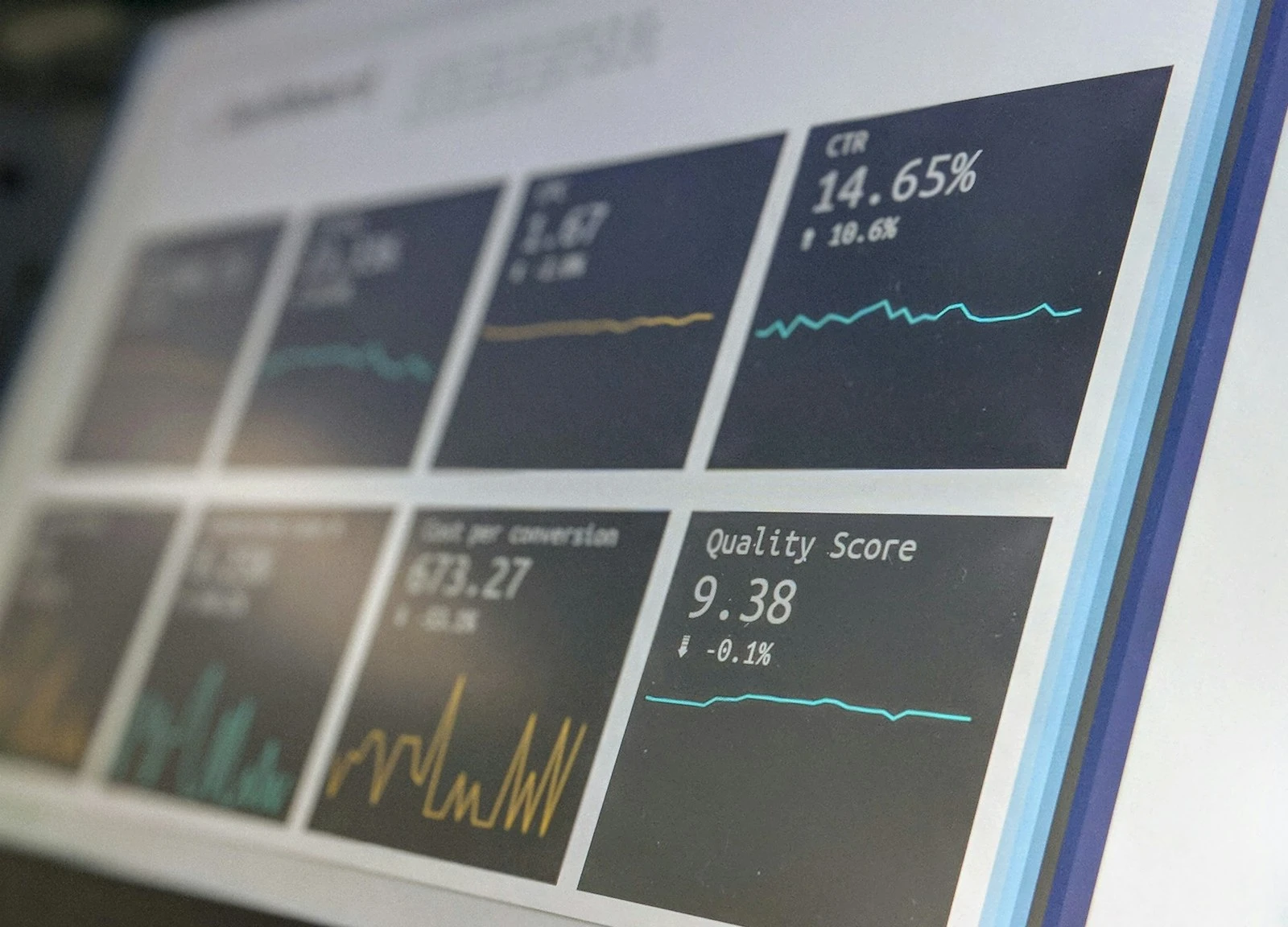
What a residential reporting pack looks like
| Element | Frequency | Audience |
|---|---|---|
| Milestone timeline with current position | Monthly | Client |
| Planned against achieved, with variance in days | Monthly | Client, builder |
| Float and critical path status | Monthly | Client, builder, financier |
| Three to six week look-ahead | Weekly or fortnightly | Site, trades |
| Client decisions due, with required-by dates | Monthly, and on change | Client, design team |
| Dated and located photographic record | Weekly | Record only |
| S-curve of planned against actual value | Monthly | Financier, client |
| Delay event register | On occurrence | Contract administration |
| Weather record | Daily where claimed | Contract administration |
>>> Learn more about project controls for luxury residential construction
Using the model to report progress visually
Where a coordinated model exists, progress reporting becomes considerably more legible without becoming less rigorous.
- Model coloured by status: Complete, in progress, not started, by zone. A client understands this instantly in a way no bar chart achieves.
- Planned against actual as two model states: Where the building should be against where it is, side by side.
- Photograph registered to the model view: A site photograph next to the same camera position in the model, which is the most persuasive progress document available.
- 4D re-run against actual dates: The original sequence and the achieved sequence played together, which is also the clearest way to present a delay analysis.
The visual layer changes comprehension, not evidence. The underlying record is still the dated programme data and the contemporaneous notices.
Forensic delay analysis: What the record has to support
If a residential project ends in a dispute at Domestic Building Dispute Resolution Victoria, NSW Fair Trading, a tribunal or a court, the contemporaneous record is what the analysis is built from.
- A clean baseline: Named, dated, and not silently replaced.
- Regular updates with actual dates: Actual start and finish for each activity, recorded as they occurred rather than back-filled.
- Delay events identified when they happened: With the notice, the cause and the assessed effect on time.
- Evidence of the effect on the critical path: Not merely that an activity was late, but that it moved completion.
- Consistency across documents: Programme, progress report, site diary, notices and correspondence telling one story.
- Records kept for the statutory period: Domestic building warranty and limitation periods vary by state. Confirm the applicable period in your jurisdiction and retain accordingly.
A record assembled after the fact is admissible and weak. A record kept contemporaneously is the difference between a defensible position and an expensive one.
>>> Learn more about how a construction programme reduces delays and design conflicts

How DX Living delivers plan versus actual reporting
DX Living is a project control specialist firm that combines project planning with visualisation, and plan-versus-actual reporting is where the two produce their most direct commercial return. Reporting runs on a fixed cycle against a single named baseline, variance is stated factually and separately from cause, client decisions due are carried on every report with required-by dates, and where a coordinated model exists the progress position is shown against the model so a client can read it without interpretation. The wider capability set sits under DX Living modules, model and immersive review through DX Studio, and delivered work in the project collection.
DX Living is not a builder, a law firm or an architecture practice, and progress reporting does not constitute contractual notice, legal advice or building approval.
Conclusion
Plan versus actual reporting on residential projects does two jobs with one document. It keeps the client informed on a schedule, which stops the unscheduled calls and the imagined problems, and it builds a contemporaneous record that holds if the programme is ever disputed. Baseline once and name it, report on a fixed cycle in the same format, state variance as a number and cause as a separate item, carry the client’s own due decisions on every report, and never re-baseline quietly. None of that is expensive. All of it is cheaper than the alternative.
Want progress reporting your client can actually read? Talk to DX Living.
FAQs
What is plan vs actual reporting construction teams should be producing?
Plan versus actual reporting compares what a named baseline programme said would happen in a period against what actually happened, expressed as a variance in days along with the float and critical path position. On residential projects it is issued to the client on a fixed cycle, typically monthly, alongside a look-ahead and a list of client decisions due.
What should a residential construction progress report contain?
Position against the milestone timeline, planned against achieved for the period, variance in days against a named baseline, float and critical path status, a three to six week look-ahead in plain language, and the client decisions due with required-by dates. A dated photographic record and an S-curve support it.
How often should progress reports be issued?
Monthly for client and financier reporting, weekly or fortnightly for site look-ahead. Consistency matters more than frequency, because variance only becomes visible when the same format is produced over successive cycles, and gaps in the record are difficult to defend later.
How do you report a delay without starting a dispute?
Separate variance from cause. State the variance factually as a number of days against the named baseline, then state the cause as a separate item with the date and any notice issued. Distinguish a delay that consumed float from one that moved the completion date, because clients cannot tell them apart unless told.
What records does forensic delay analysis need?
A clean named baseline, regular updates recording actual start and finish dates as they occurred, delay events identified contemporaneously with notices, evidence of the effect on the critical path rather than just on an activity, and consistency across the programme, progress reports, site diary and correspondence.
Can a BIM model be used for progress reporting?
Yes. Colouring model elements by status, showing planned against actual as two model states, registering site photographs to model camera positions, and re-running a 4D sequence against achieved dates all make progress far more legible. The evidentiary record remains the dated programme data and contemporaneous notices.
Who is responsible for progress reporting on a residential build?
It depends on the contract. On many domestic contracts the builder reports informally and nobody produces a baseline-referenced record. Where a superintendent or project control consultant is engaged, reporting is a defined deliverable. Agree who produces it, on what cycle and against which baseline, before construction starts.
References
- Consumer Affairs Victoria. Domestic building contracts and variations.
- Domestic Building Dispute Resolution Victoria. Building dispute resolution process.
- NSW Fair Trading. Home building contracts and disputes.
- Queensland Building and Construction Commission. Contracts and disputes.
- Bureau of Meteorology. Climate data online.
- Australian Institute of Project Management. Project delivery standards.
- Australian Building Codes Board. National Construction Code 2022.
Recent Articles

3D rendering for architects in Australia: Working with a visualisation partner

Construction programme visualisation: Showing stakeholders how long a build takes
