Off the plan is the only transaction in Australian property where the buyer commits before the product exists, and the entire sale rests on whether they believe a document. Every extra week between launch and the first deposits is carrying cost, and financiers frequently will not release funds until pre-sales clear a threshold. Visualisation is not the marketing garnish on that process. It is the product.
Quick answer: Off the plan sales renders are the marketing assets a developer needs to sell before the building exists. A launch typically needs nine asset types, issued in a set sequence, and every image must follow disclosure rules and stay accurate to the approved design so buyers and financiers can trust it.
Off the plan sales renders convert when they can be interrogated and still hold. This article sets out the asset list a launch actually needs, the sequence that keeps imagery from being built on superseded drawings, the accuracy standards that survive buyer scrutiny and Australian Consumer Law, and how the display suite differs from the portal.
>>> Learn more about 3D virtual tours for off the plan apartments
Off the plan sales renders: The launch asset list
A launch fails when the buyer’s specific question has no asset that answers it. Build the list from the objections, not from a standard package.
| Buyer objection | The asset that answers it |
|---|---|
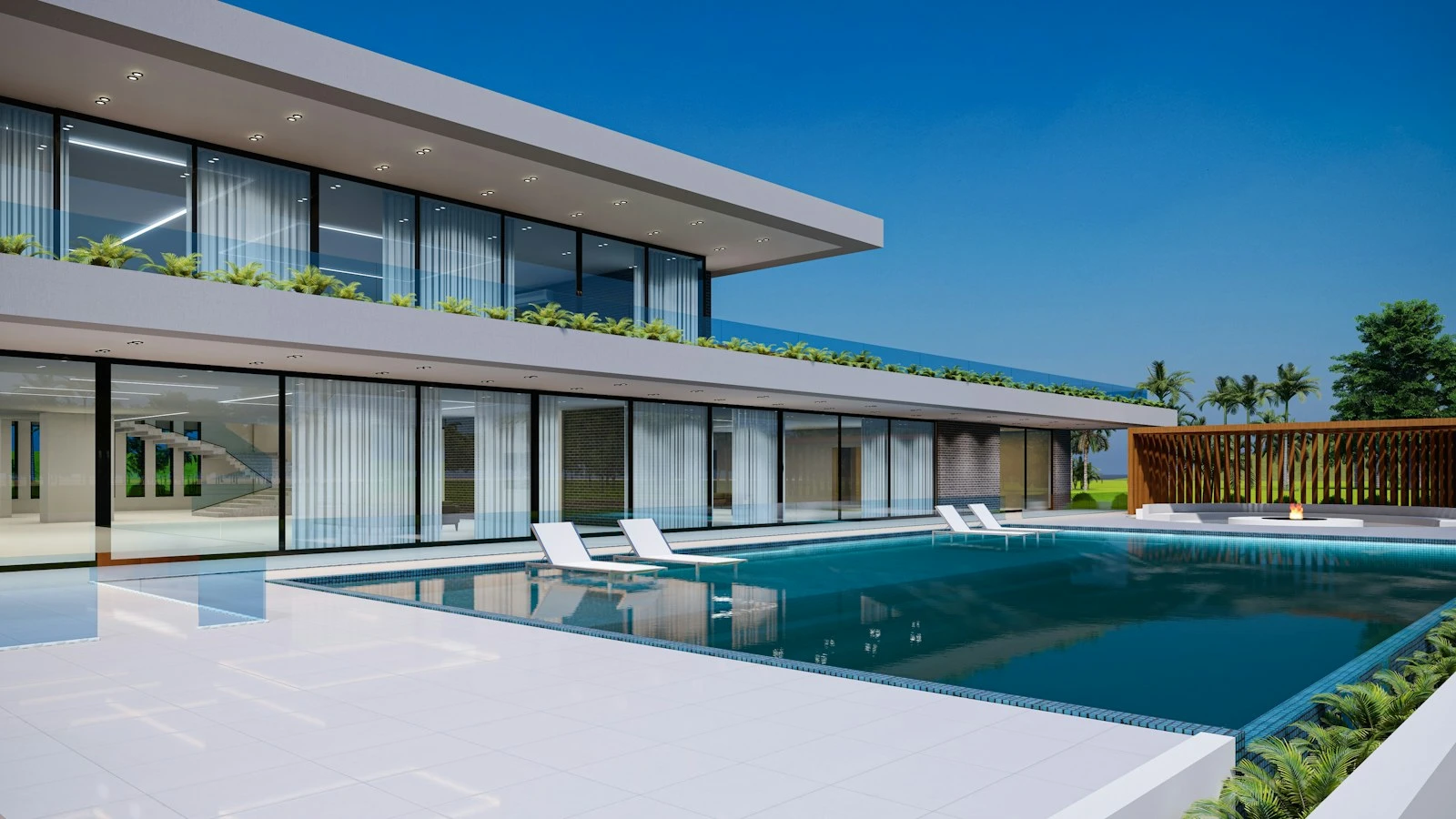
| “I cannot picture the building in this street” | Exterior in survey-accurate context, at eye height |
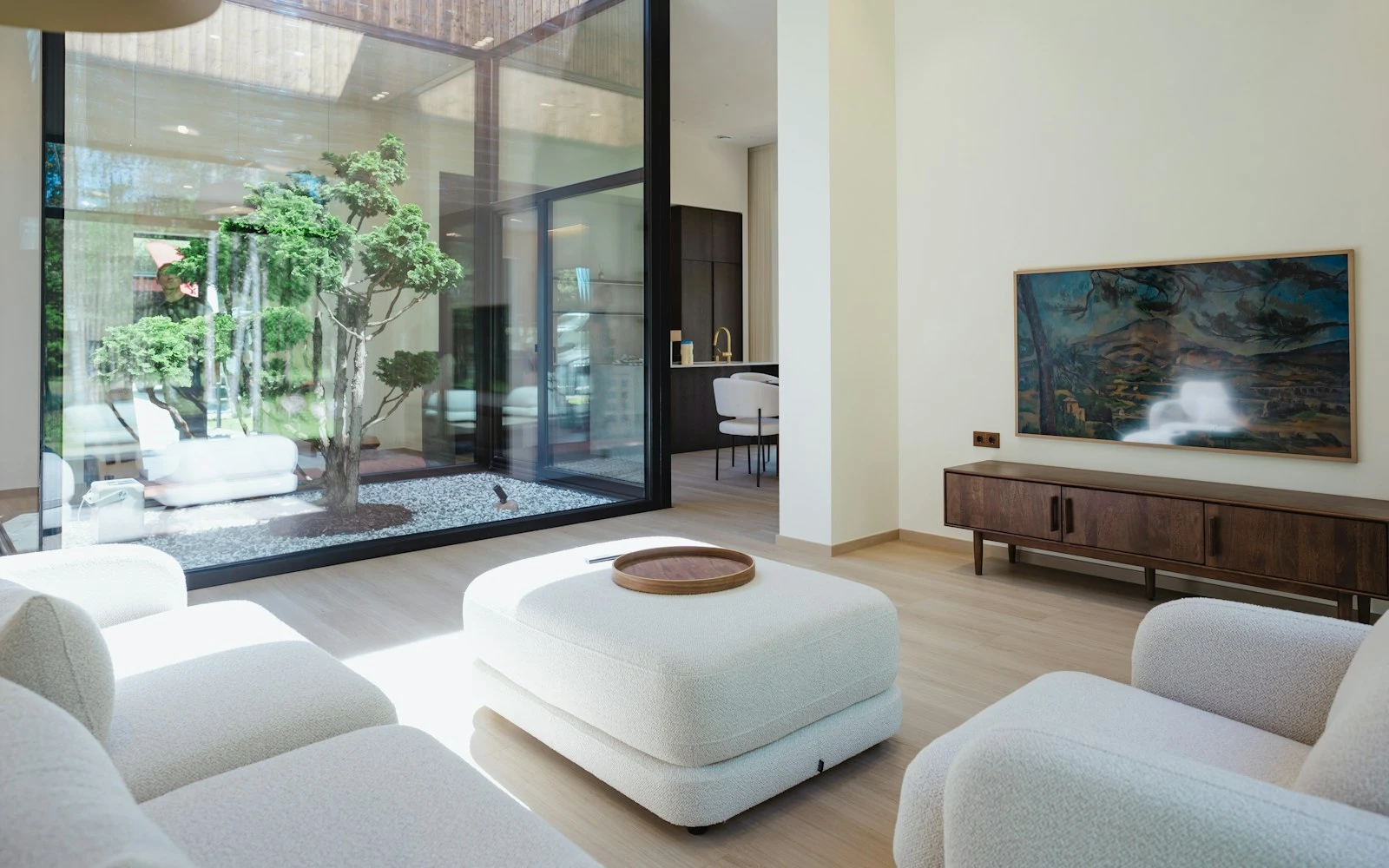
| “The render is the penthouse, not my apartment” | One interior per typology, at the contracted specification |
| “What will I actually see from level 3?” | View study from the real floor level and real aperture |
| “How much light does it get in winter?” | Sun path study, two dates, morning to afternoon |
| “Is that the finish I am buying?” | Materials at close range, matched to a physical sample board |
| “Is it really that big?” | VR walkthrough at 1:1, or a dimensioned 3D floor plan |
| “What is standard and what is an upgrade?” | Side by side comparison at identical camera and lighting |
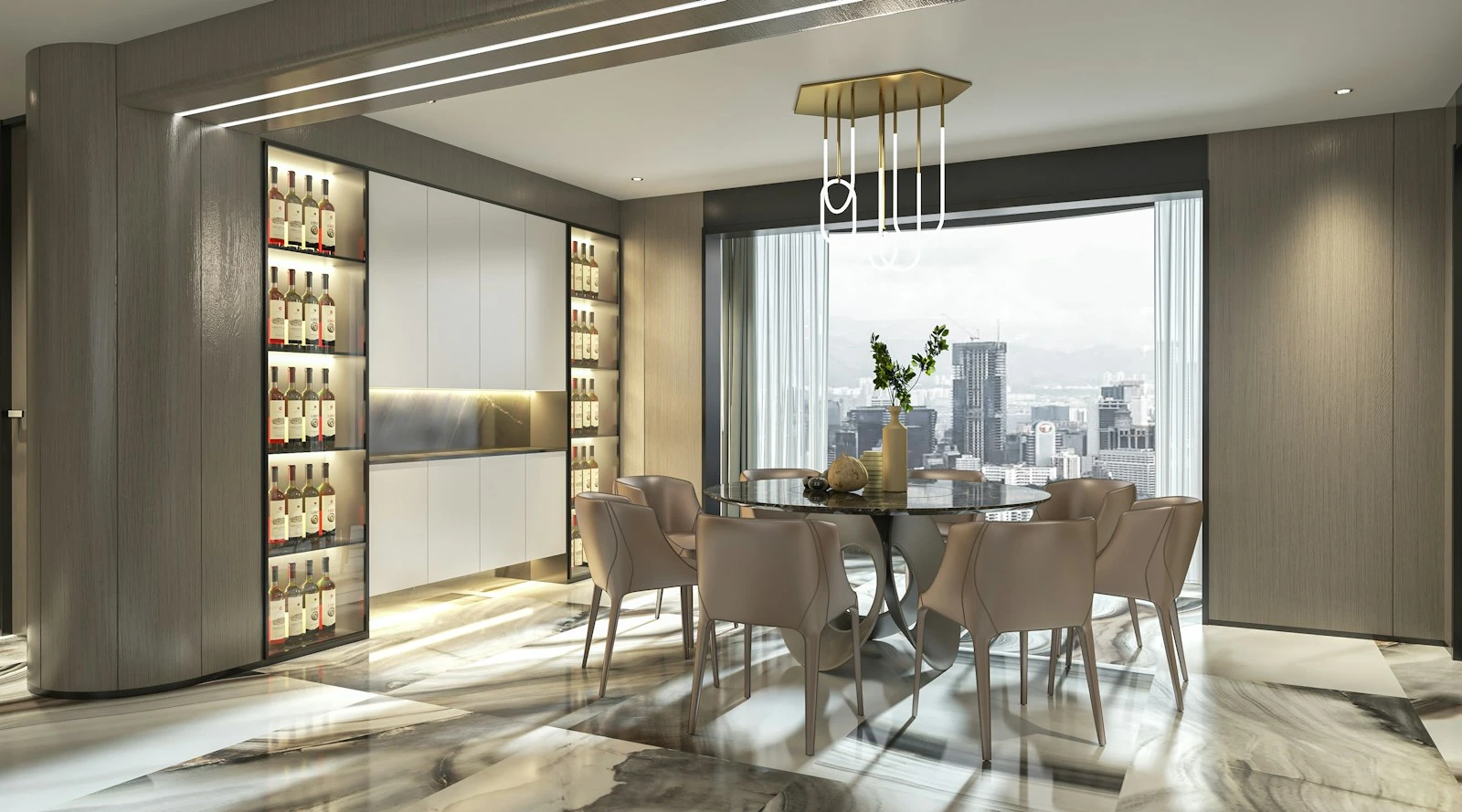
| “What are the shared spaces like?” | Lobby, gym, rooftop and communal open space interiors |
| “What happens to the site while I wait?” | Construction staging sequence and progress reporting plan |
Key insight: A launch package built around one hero exterior and three aspirational interiors answers the objection nobody has. The assets that convert are the ones that answer a question the buyer was going to ask their conveyancer.
Accuracy is the conversion lever, not polish
Australian off the plan buyers, particularly owner-occupiers, have learned to discount marketing imagery. Every inaccuracy you remove is a discount you stop paying.
- Ceiling heights as contracted: Rendered at 2,900 mm and delivered at 2,550 mm is the most common post-settlement complaint in Australian apartment stock, and it is entirely avoidable in modelling.
- View lines from the real level: Model the aperture, the balustrade type and the floor level. A level 3 buyer shown a level 22 view will notice.
- Orientation from survey: A north-facing living room rendered in warm raking light in a building that faces south is a representation a buyer’s advocate can disprove in an afternoon.
- Contracted finishes, not display finishes: If the schedule says laminate, render laminate. Showing the upgrade as standard is the fastest way to a dispute at handover.
- Services and reality included: Door swings, robe depth, air conditioning heads, bin cupboards, downpipes, balcony drainage. Their absence is what makes a render read as inflated.
- Balustrade type as documented: Solid versus glass changes both the view and the amenity, and it is assessed at planning.
- Furniture disclosed as indicative: Visibly on the image, not only in the fine print.
What this means for your decision: Build accuracy into the render brief rather than into the disclaimer. A disclaimer manages liability after the fact. Accuracy prevents the objection that costs you the deposit.
>>> Learn more about 3D renders for real estate marketing in Melbourne
Disclosure: What Australian off the plan marketing has to respect
Off the plan sale contracts are regulated at state level, and marketing representations sit under Australian Consumer Law regardless of jurisdiction. The imagery is part of the representation.
- Misleading or deceptive conduct applies to images: A render is a representation. Views, finishes, dimensions and inclusions are all capable of misleading, and intent is not the test.
- Sunset clauses and disclosure obligations vary by state: NSW, Victoria and Queensland each impose specific off the plan contract disclosure requirements. Confirm the current obligations with the relevant state authority.
- Changes between contract and completion have consequences: Where a delivered apartment materially differs from what was represented, state legislation may give the purchaser rights. Imagery that overstates the specification widens that exposure.
- Label what is indicative: Furniture, styling, landscaping at maturity, and views subject to level and final built form.
- Keep the record: Every image issued to market, with the drawing revision it was produced from and the date. This is the cheapest insurance in the campaign.
The sequence: Why launch imagery gets built twice
The most expensive imagery a developer can buy is imagery built from a superseded set, then rebuilt. Put each asset on the programme as a task with a predecessor.
| Programme stage | Asset | Predecessor |
|---|---|---|
| Planning approval | Context and massing model | Detail survey and neighbouring built form |
| Post-consent, 20 weeks out | Exterior hero and façade detail | Consent conditions resolved into drawings |
| 16 weeks out | Typology interiors | Finishes schedule locked at contract specification |
| 14 weeks out | View studies and sun path | Confirmed floor levels and apertures |
| 10 weeks out | Interactive model and 360 tour | Approved interiors |
| 8 weeks out | VR build for display suite | Approved model plus material samples ordered |
| 6 weeks out | Print masters and display suite install | Final approved frames at print resolution |
| 4 weeks out | Portal set, brochure, EDM assets | Everything above, resized rather than re-rendered |
| Launch to completion | Progress reporting views | Baselined construction programme |
Two review rounds by default. One structural round on geometry and camera, one cosmetic round on materials and lighting. A third round means the specification moved, and it should be priced as a variation.
Display suite compared with the portal
The two channels are asked to do different jobs and should not receive the same assets.
| Portal and digital | Display suite | |
|---|---|---|
| The job | Earn an enquiry at thumbnail size | Convert a walk-in to a deposit |
| Lead asset | One strong exterior, clear typology interiors | Large format prints and VR at 1:1 |
| Depth | Furnished 3D floor plans, 360 tour | Physical sample board matched to the render |
| Buyer question | “Is this worth my Saturday?” | “Is this worth my deposit?” |
| Failure mode | Generic imagery lost among competitors | Render and sample board that do not match |
The sample board matching the render is not a detail. A buyer who sees a discrepancy between the physical stone and the rendered stone will discount everything else on the wall.
>>> Learn more about how 3D configurators increase buyer commitment
Using engagement data as pre-sales evidence
An interactive model produces measurable behaviour, and that behaviour is useful beyond marketing reporting.
- Time in model by typology: Which apartment types are actually being considered, ahead of deposit data.
- Configuration selections: Which upgrade packages attract interest, informing what to include as standard.
- Drop-off points: Where a buyer stops exploring, which frequently identifies the objection the campaign is not answering.
- Evidence alongside deposits: For a financier assessing pre-sales credibility, engagement data supports the narrative that demand exists ahead of contracts exchanging.
How DX Living supports off the plan launches
DX Living is a project control specialist firm that combines project planning with visualisation to de-risk residential projects before construction, and the same discipline is what makes a launch package defensible. Assets are produced from a named drawing revision at the contracted specification, view and sun studies use survey-accurate orientation and real floor levels, and every deliverable sits on the programme as a task with a predecessor so the launch date is protected rather than rescued. Display suite VR and immersive review run through DX Studio, finishes and sample coordination through DX Interiors, and delivered work is in the project collection.
DX Living is not a builder, a real estate agency or an architecture practice, and renders do not replace documentation, the contract of sale, engineering certification or building approval.
Conclusion
Off the plan sales renders convert when a buyer can interrogate them and still commit. Show the real context, the real view from the real level, the contracted finishes and the honest ceiling height. Give each typology its own interior. Match the display suite sample board to the render exactly. Then sequence the whole set against the programme so nothing is built from drawings that have already moved. Accuracy is not a constraint on the campaign, it is the campaign.
Planning a launch? Talk to DX Living about an off the plan package.
FAQs
What do off the plan sales renders need to include before launch?
An exterior in survey-accurate context at eye height, one interior per typology at the contracted specification, view studies from real floor levels, a sun path study, materials at close range matched to the physical sample board, standard against upgrade comparisons, communal space interiors, and an interactive model or VR walkthrough for the display suite.
Are off the plan marketing renders legally binding in Australia?
Renders are marketing representations rather than contract documents, but misleading or deceptive representations carry consequences under Australian Consumer Law, and state off the plan disclosure regimes impose further obligations. The contract of sale and its annexed specification govern what is delivered, so the imagery should reflect that specification.
How far ahead of launch should presale visualisation be commissioned?
Back-schedule roughly twenty weeks. Exterior imagery follows consent resolution, typology interiors need the finishes schedule locked around sixteen weeks out, view and sun studies fourteen weeks out, interactive and VR builds eight to ten weeks out, and print and display suite installation six weeks out.
Why do off the plan renders lose buyer trust?
Usually because of ceiling heights rendered higher than contracted, views shown from the wrong level, permanent warm lighting regardless of true aspect, display finishes shown as standard, and omitted services such as door swings, air conditioning heads and downpipes. Each of these is avoidable in modelling.
What is the difference between display suite renders and portal imagery?
Portal imagery has to earn an enquiry at thumbnail size, so it prioritises one strong exterior and clear typology interiors. Display suite assets have to convert a walk-in, so they prioritise large format prints, VR at body scale, and a physical sample board that matches the rendered materials exactly.
Can an interactive model help with pre-sales funding?
It produces measurable engagement data, such as time in model by typology and configuration selections, which can support a pre-sales narrative alongside deposit numbers. It does not substitute for exchanged contracts, and the imagery must match the feasibility specification or it undermines the valuation.
How many revision rounds should a developer budget for?
Two: One structural round on geometry and camera position, one cosmetic round on materials and lighting. A third round usually signals that the specification or the drawings moved, and it should be priced as a variation. Nominating one approver across development, sales and design is what keeps it to two.
References
- Australian Competition and Consumer Commission. Advertising and selling guide.
- Consumer Affairs Victoria. Buying off the plan.
- NSW Fair Trading. Off the plan contracts.
- Queensland Government. Buying off the plan.
- Australian Building Codes Board. National Construction Code 2022.
- NSW Government. BASIX building sustainability index.
- Nationwide House Energy Rating Scheme. Star ratings and Whole of Home.
Recent Articles
The pre-contract checklist: 18 things to confirm before you sign with a builder
Planning a home cinema in Australia: What drives the cost and how to review it in VR first