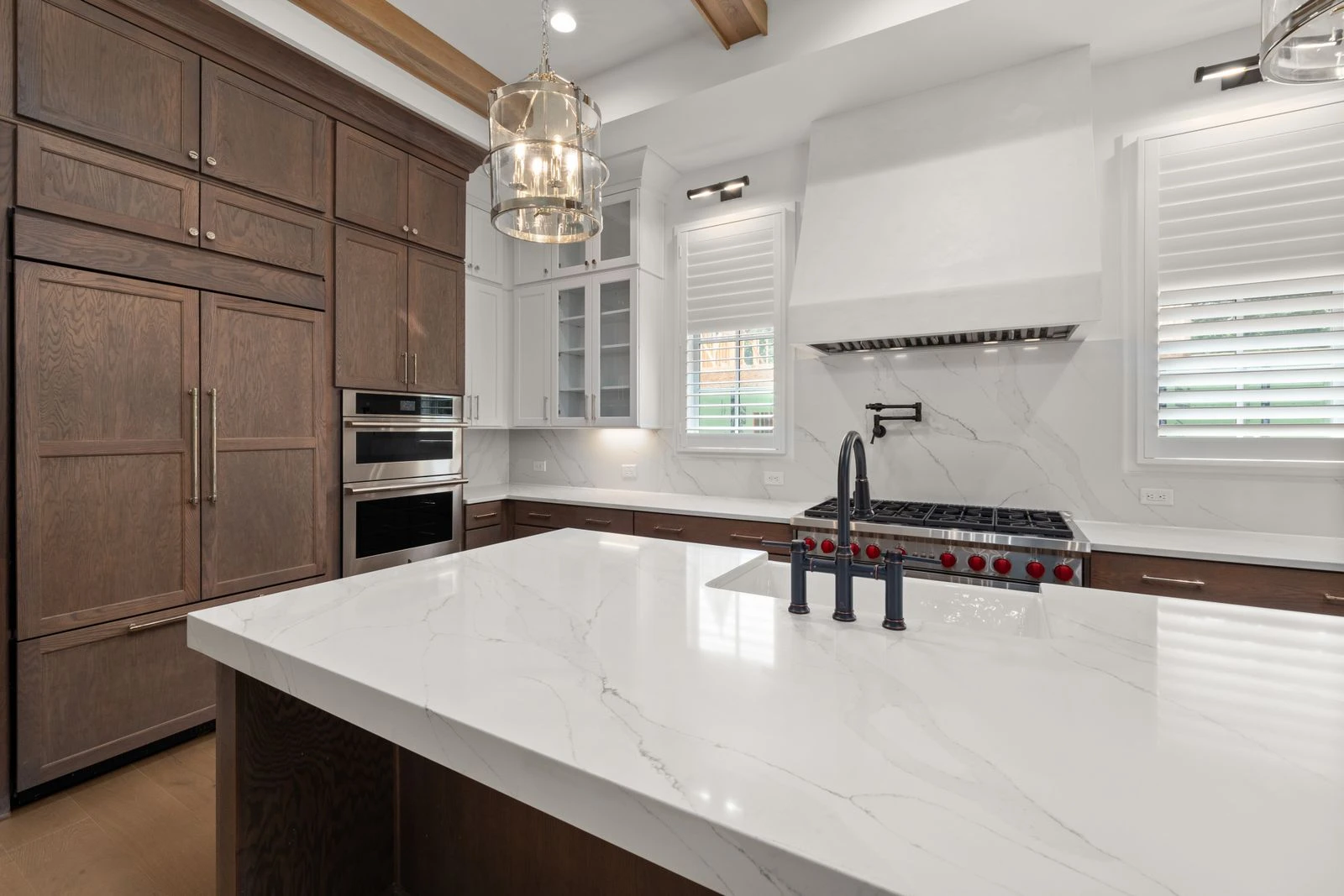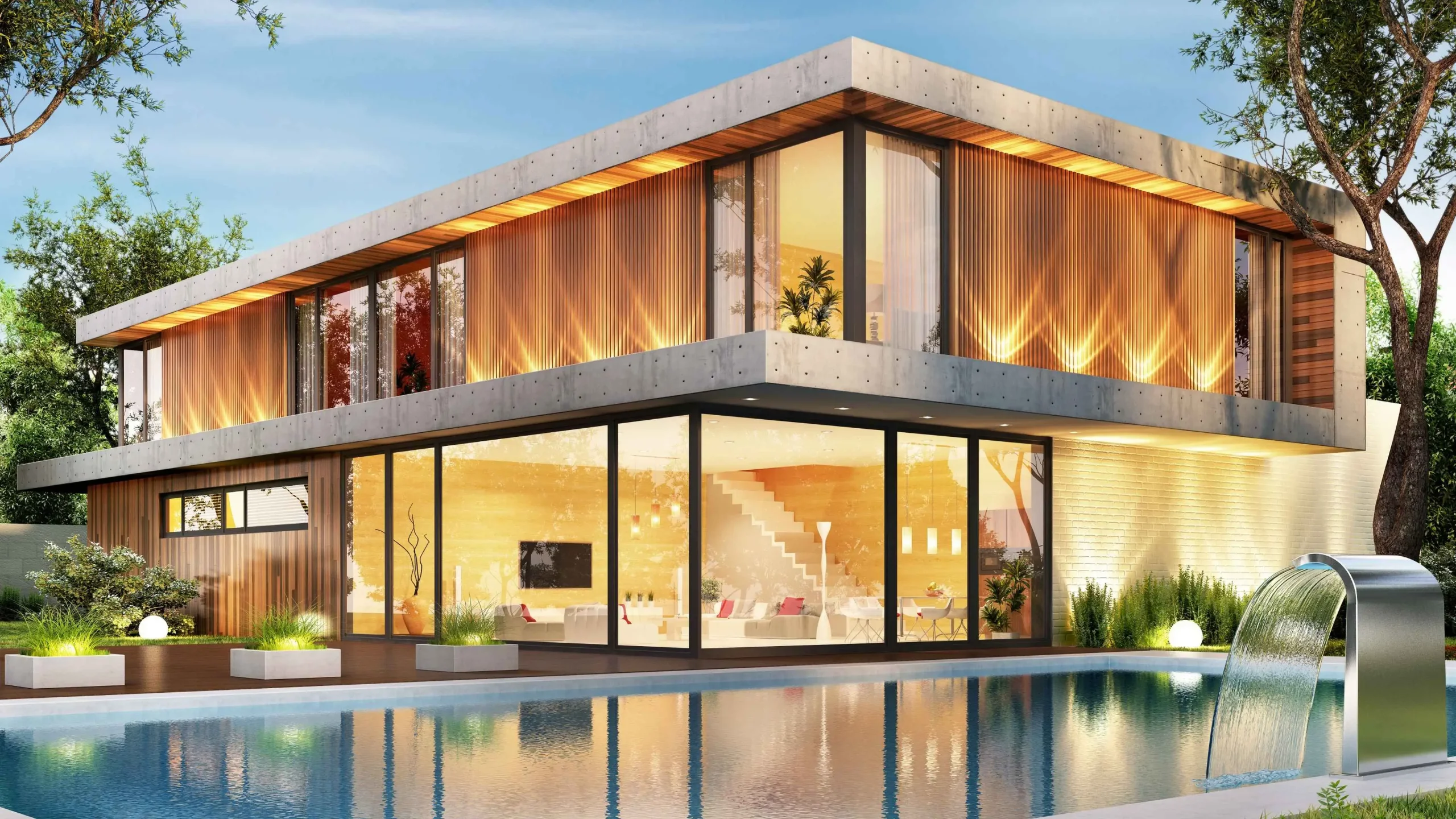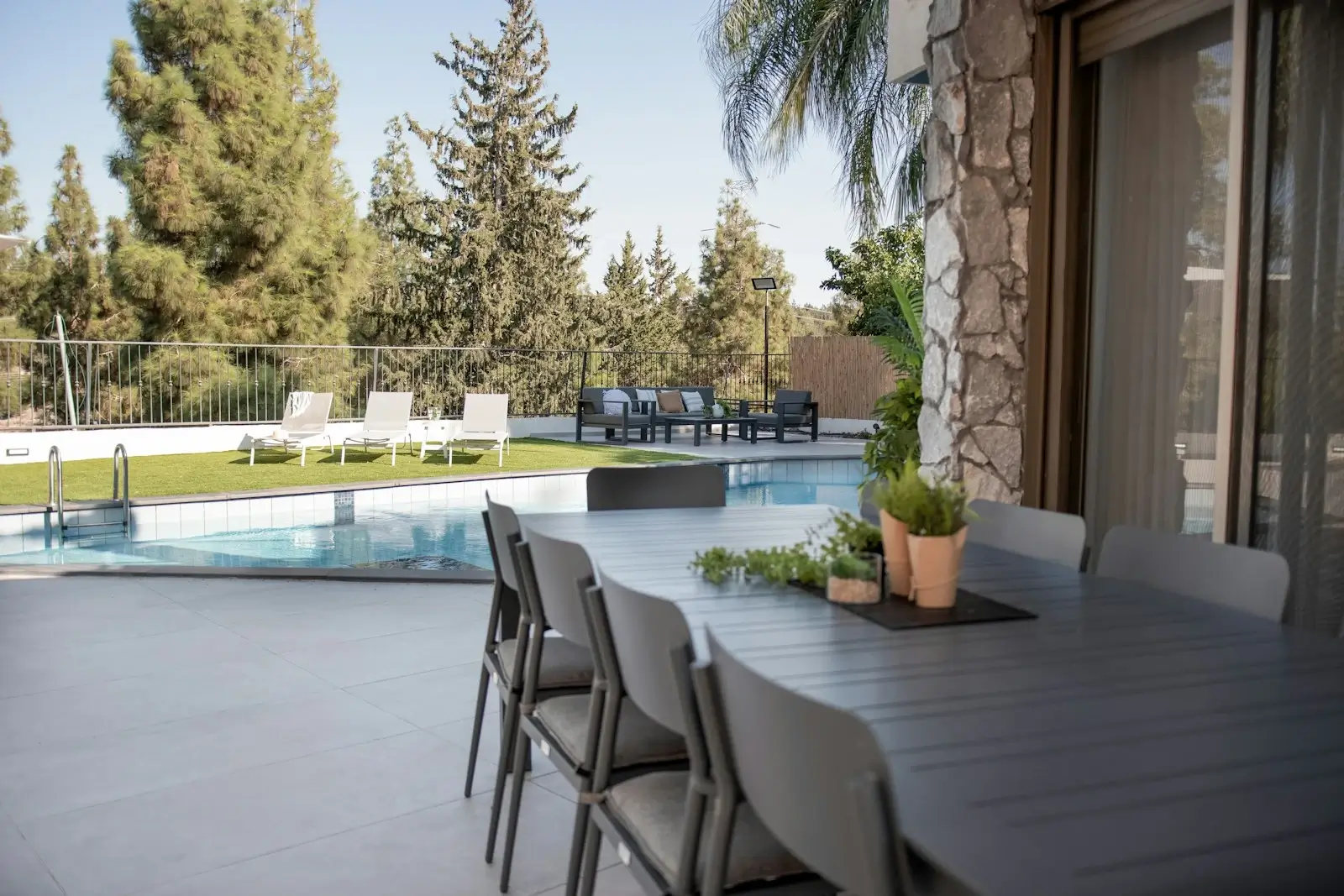
Luxury rendering is the practice of producing 3D images and walkthroughs that show a high-end home as a buyer or client will actually experience it: real materials, believable light and considered detail. For Australian developers, architects and builders, the difference between a standard render and a luxury render is often the difference between a polite nod and a signed contract.
Most renders fail at the top of the market for the same reason: they show geometry, not atmosphere. A premium buyer reads a render the way they read a showroom, looking for proof that the finishes, proportions and light justify the price. This article sets out what separates luxury rendering from standard visualisation, what it costs, and how to brief it so the result supports sales and approvals.
What is luxury rendering?
Luxury rendering is photorealistic visualisation built to the standard of architectural photography. It uses the project’s actual material schedule, physically accurate lighting and a carefully composed camera, so the image can sit beside a magazine shoot without looking synthetic.
Key insight: A luxury render is a specification document as much as a picture. If the stone, timber and metalwork on screen match what will be built, the client approves with confidence. If they do not, the gap surfaces during construction, when changes are priced at the builder’s margin.
What makes a render look high-end?
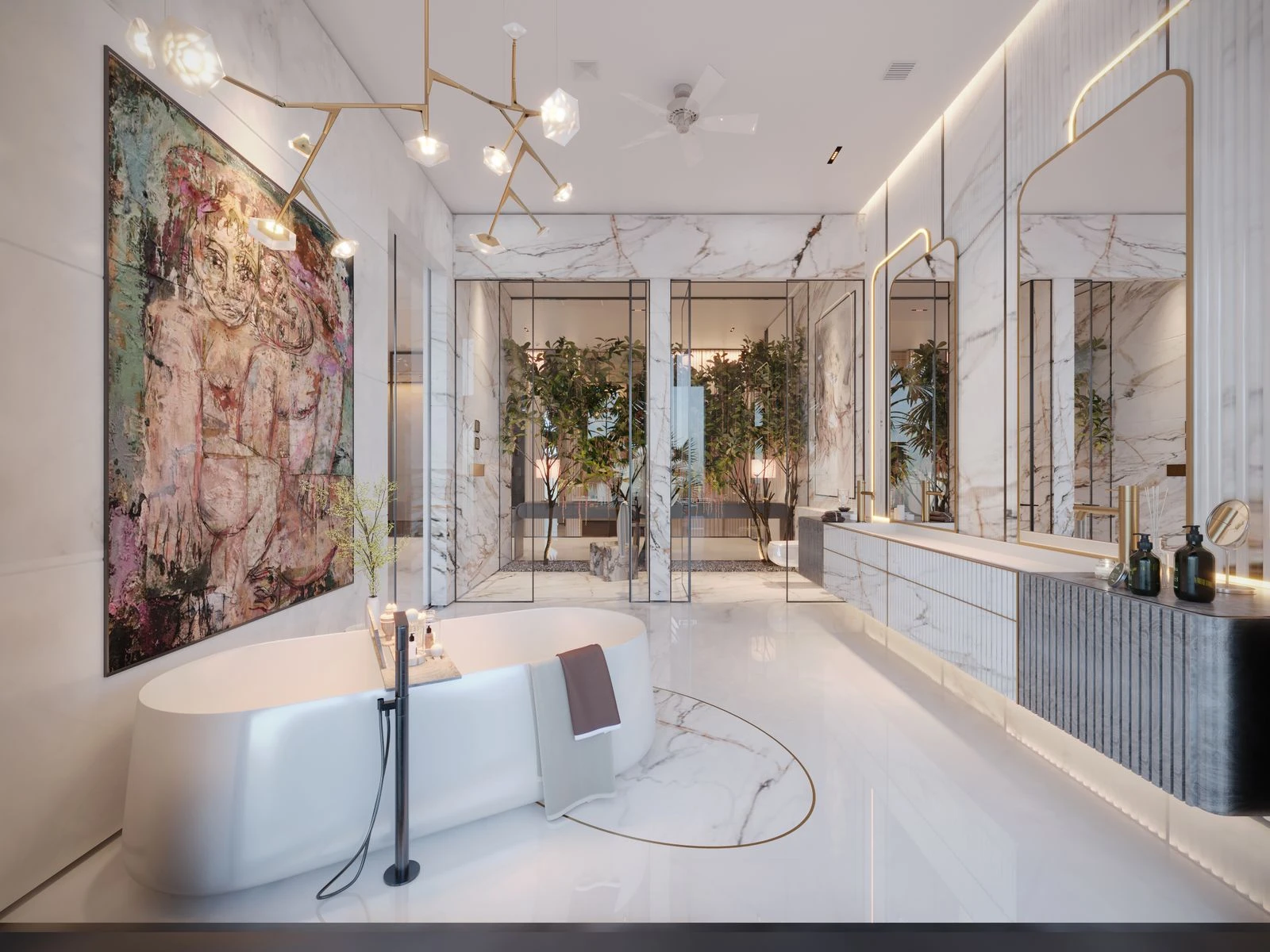
Materials that match the schedule
- Real finishes: Use the actual stone slab, timber species and brass or bronze tapware from the schedule, not stock textures.
- Correct scale: Grain, veining and joint lines must read at the right size for the room.
- Honest wear: Soft reflections, subtle surface variation and fabric weight remove the plastic look.
Light that tells the truth
- Orientation: Place the sun for the actual lot and season, so the north-facing living area looks as it will in a Melbourne winter or a Brisbane summer.
- Layered lighting: Combine daylight, concealed LED and feature pendants the way a lighting designer would.
- Time of day: Show dusk where the design is built for entertaining, and morning where it is built for calm.
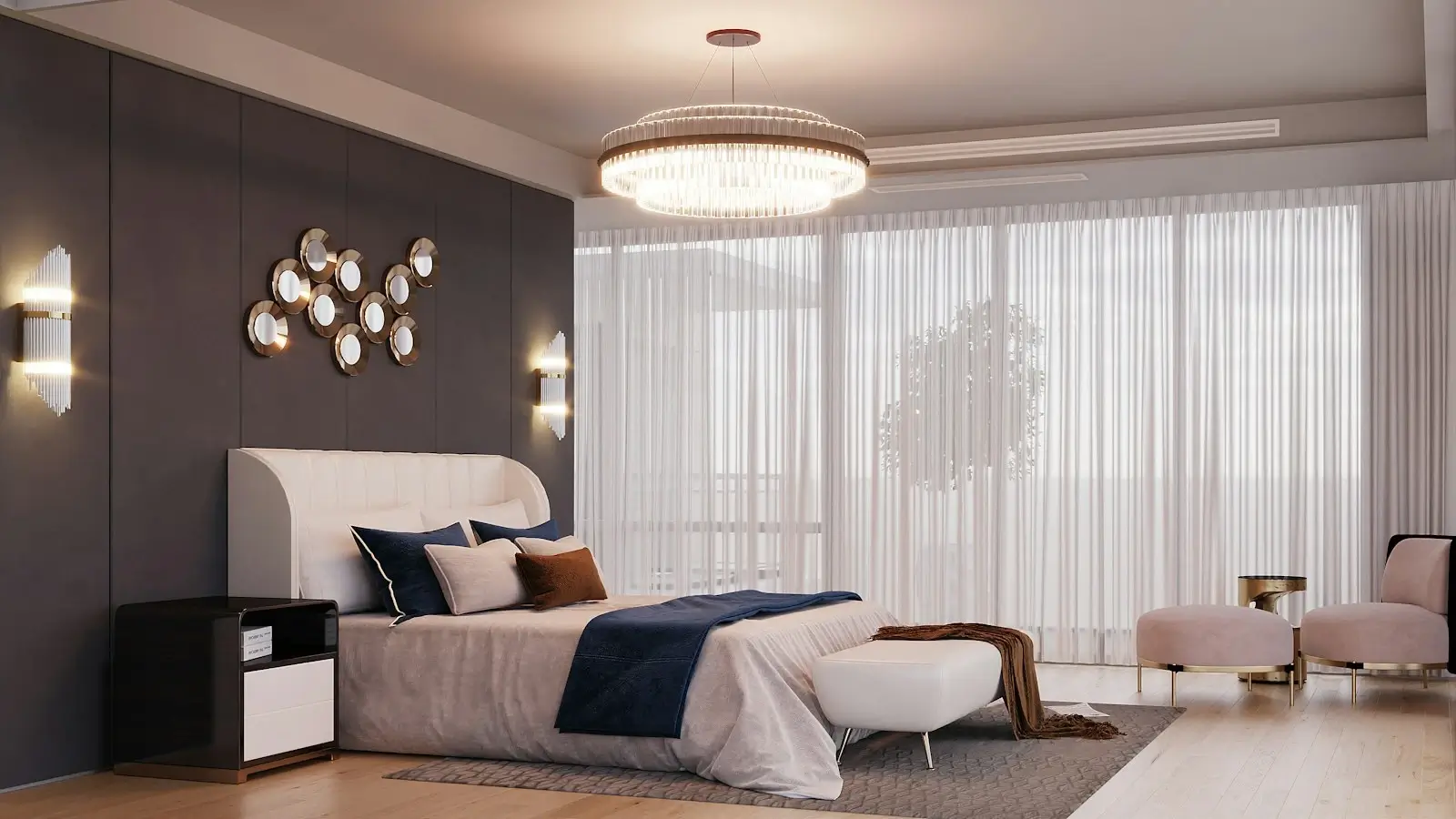
Composition and restraint
- Camera height: Shoot at eye level, around 1.4 to 1.6 m, with lenses that avoid wide-angle distortion.
- Styling: Fewer, better objects. Over-furnished scenes read as cheap.
- Context: Landscape, borrowed views and neighbouring built form place the home in its setting.
How do luxury renders differ from standard renders?
| Factor | Standard render | Luxury render |
|---|---|---|
| Materials | Generic library textures | Project material schedule, sampled finishes |
| Lighting | Single daylight setup | Site-accurate sun plus layered artificial light |
| Camera | Wide, high angles | Eye-level, photographic composition |
| Revisions | Cosmetic | Tied to design decisions and sign-off |
| Use | Planning and DA | Sales, marketing and client approval |
Where does luxury rendering pay off in Australia?
Off-the-plan sales: Premium apartments and townhouses sell on the image before the building exists. Marketing renders that carry real finish detail support price points. See how we approach this in off-the-plan sales renders for developers.
Custom homes: Clients spending A$3,500 to A$7,000+ per square metre (indicative 2026 range) want to see joinery, stone and light resolved before tender.
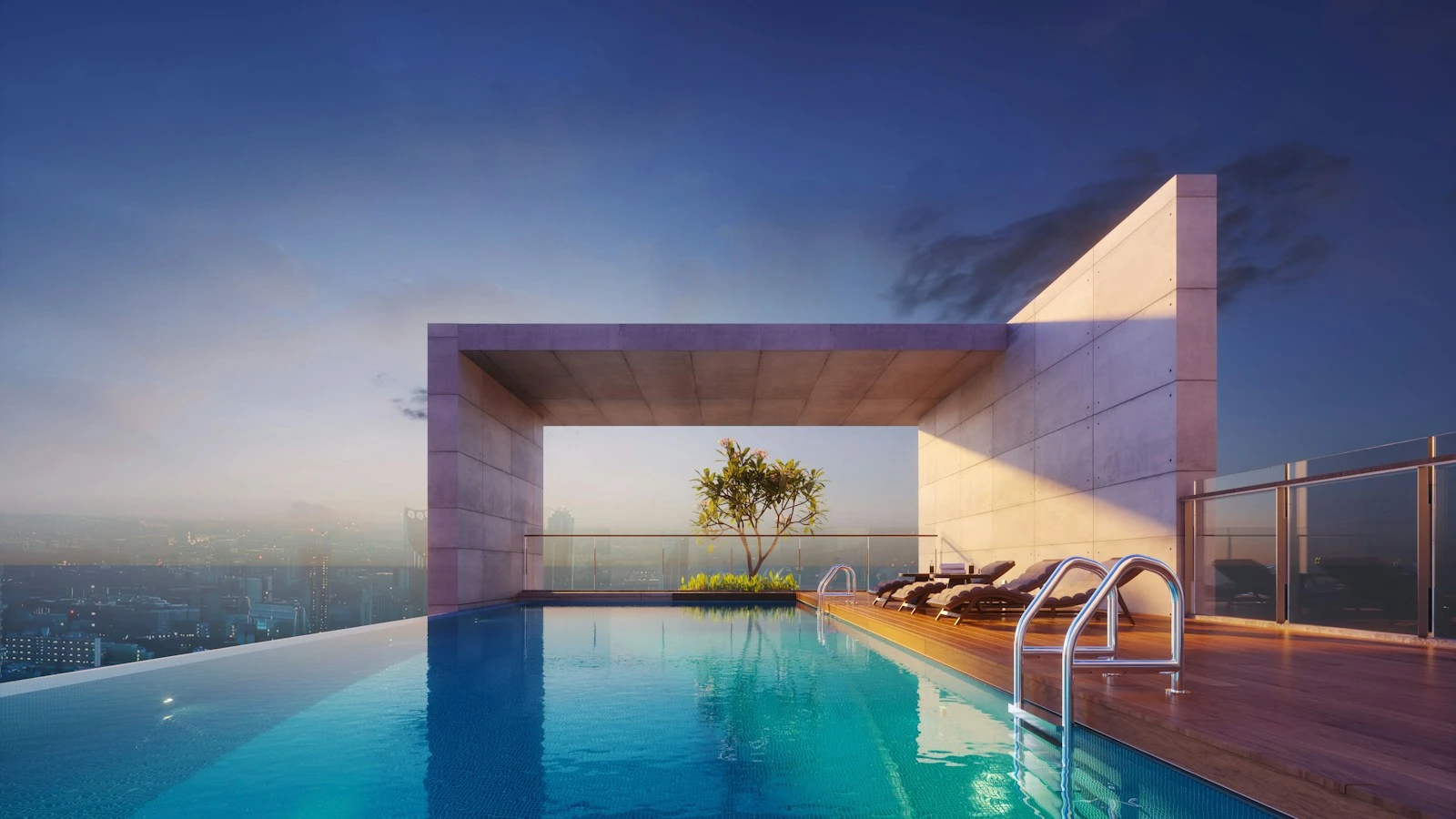
Approvals and design review: Councils and design review panels respond to images that show context and materiality honestly, which supports the development application process.
Immersive review extends this further. With DX Studio, clients can walk the design in VR and test sightlines, ceiling heights and finishes before a single order is placed.
How much does luxury rendering cost?
Cost scales with scope: the number of views, the level of model detail, and whether you need stills, animation or an immersive walkthrough. A single premium exterior and interior set costs materially more than a standard planning image because of the modelling, material sourcing and lighting passes involved. For current ranges, read our guide to 3D rendering cost in Australia.
How do you brief a luxury render?
- Share the full material schedule: Include supplier names, sample photos and finishes.
- State the buyer: A downsizer, a family and an investor each respond to different scenes.
- Choose hero views: Pick three to five images that carry the sale, rather than twenty that dilute it.
- Lock design decisions first: Changing a staircase after the render is cheaper than changing it after the slab. Use our 3D rendering brief checklist.
Choosing the right studio matters as much as the brief. Our guide on how to choose a 3D rendering company in Australia covers what to ask for, and our photorealistic vs concept render comparison helps you decide when luxury quality is worth it.
Conclusion
Luxury rendering earns its cost when it shows the real build: true materials, honest light and a composition that respects the buyer. Resolve those choices in the image, and you resolve them before tender, when changes cost nothing. Browse our projects or talk to the DX Living team about a luxury rendering package for your next residential project.
FAQs
Q: What is luxury rendering?
A: Luxury rendering is photorealistic 3D visualisation built to architectural photography standards, using the real material schedule, accurate lighting and considered composition for high-end homes.
Q: How is luxury rendering different from standard 3D rendering?
A: Standard renders show form for planning. Luxury renders show finishes, light and atmosphere well enough to support sales, marketing and client sign-off.
Q: How long does a luxury render take?
A: A hero set of three to five views typically takes two to four weeks once the design and material schedule are locked, depending on model detail and revisions.
Q: Can luxury renders be used for off-the-plan sales?
A: Yes. They are widely used for premium apartments and townhouses, provided the finishes shown match the contract specification.
Q: Do I need VR for a luxury project?
A: Not always, but immersive review helps clients test scale, sightlines and finishes before construction. DX Studio supports this.
Q: What should I provide to get an accurate luxury render?
A: Provide the drawings or BIM model, the full material and fixture schedule, site orientation and a clear brief on the target buyer.
Recent Articles
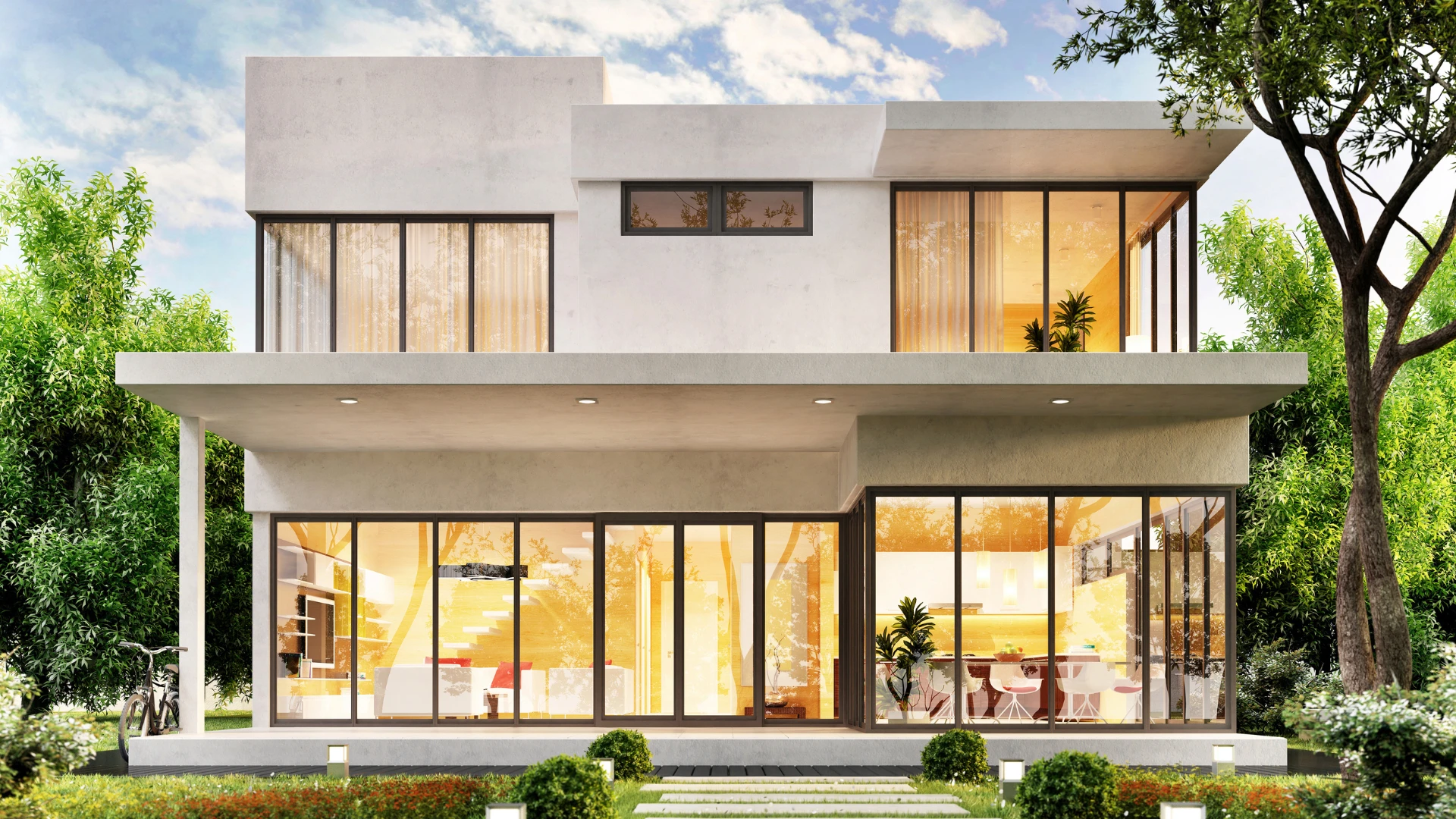
Contemporary houses: design, costs and planning