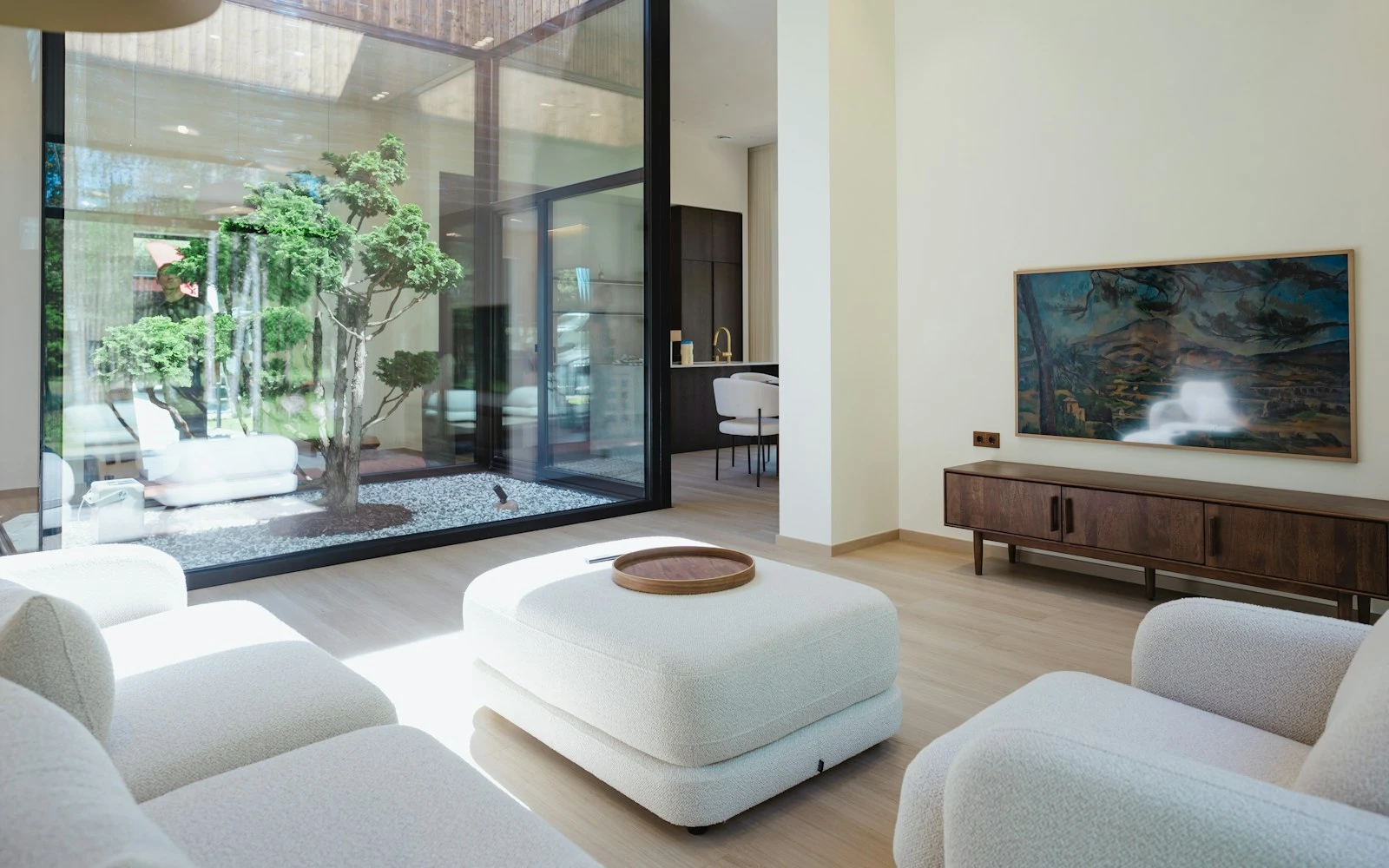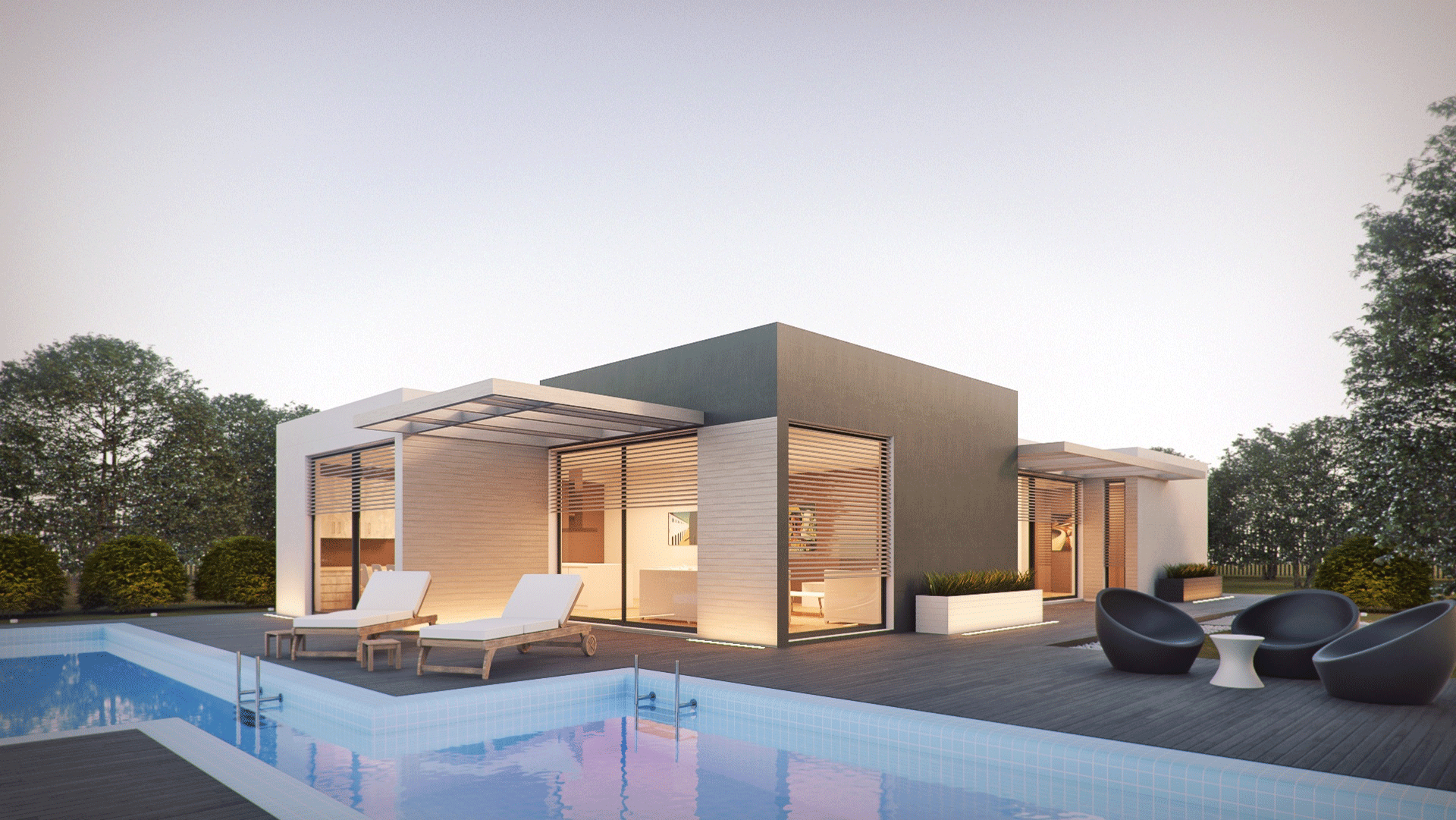
Introduction
Off-the-plan purchasing represents one of the highest-risk decisions buyers face: committing capital to unbuilt property based on static renders and floor plans. This cognitive gap between two-dimensional documentation and three-dimensional lived experience creates hesitation, extended sales cycles, and high drop-off rates during the consideration phase.
3D configurators address this conversion friction by transforming passive viewing into active design participation. Rather than presenting a single architect's vision, interactive configurators enable buyers to customize materials, layouts, and finishes in real time—seeing their choices rendered instantly within spatially accurate environments. This shift from observation to creation fundamentally alters buyer psychology, accelerating commitment and increasing upgrade attachment rates.
For developers, architects, and project marketers, configurators deliver measurable commercial impact: shorter time-to-contract, higher conversion rates, reduced variation requests during construction, and enhanced brand differentiation in competitive markets. This article examines the psychological mechanisms, technical implementation via DX Living's DX Model module, and evidence-based outcomes from deployed configurator systems.
The Psychology of Customisation
Customisation taps into a powerful psychological phenomenon known as the ownership effect. When buyers actively configure elements—such as layouts, finishes, or colours—they develop a sense of ownership long before purchase. This increased personal connection reduces hesitation and accelerates commitment, as clients feel the product truly belongs to them. Studies confirm that interactive 3D experiences significantly raise purchase intent compared to static visuals.
- The Endowment Effect and Psychological Ownership: People value what they feel they own. Interactive configurators foster emotional attachment by letting buyers personalise their property.
- Cognitive Commitment and Consistency: Small initial choices lead to bigger commitments. Configurators guide users through staged decisions, making withdrawal feel inconsistent with earlier choices.
- Decision Confidence Through Bounded Choice: Too many options cause decision paralysis.
- Emotional vs. Rational Engagement: Emotion-driven purchases tend to be more lasting, whereas purely rational decisions are more vulnerable to competition.
DX Model Module: 3D Configurator in Action
DX Model configurator offers real-time customisation of home elements, including spatial layouts, interior finishes, and fixtures. Users navigate through an intuitive interface, experimenting with options while viewing photorealistic renders that update instantly. The platform integrates seamlessly with CRM systems, capturing user preferences and enabling targeted follow-ups by sales teams. This dynamic experience empowers buyers to explore possibilities independently and confidently.
DX Model delivers three configurator tiers, each calibrated to project complexity and buyer sophistication.
- Material Configurator: Enables finish customisation within fixed architectural geometry
- Layout Configurator: Extends customisation to spatial arrangements
- Full Configurator: Combines material + layout control with optional upgrade.
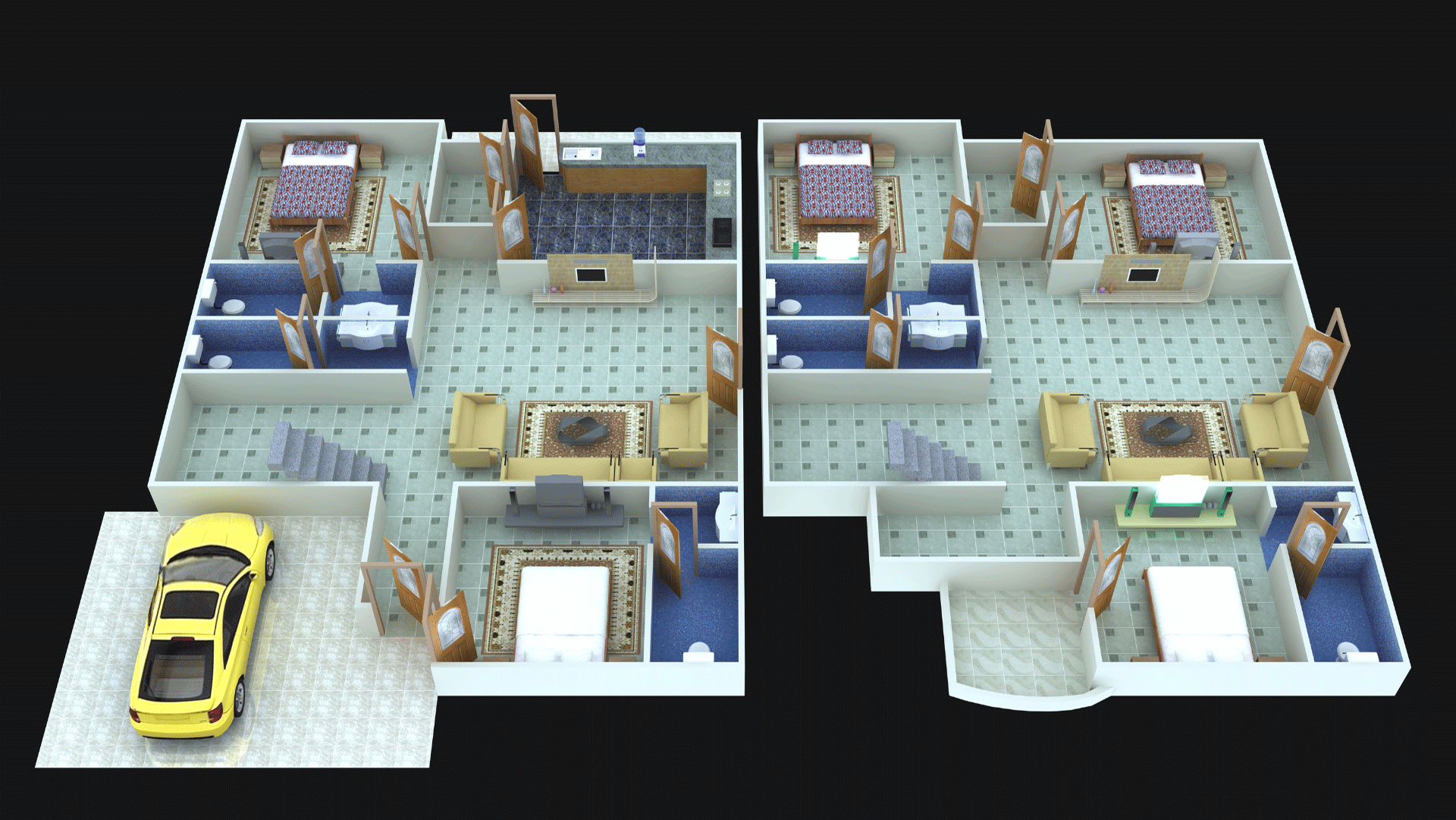
Conversion Data: Configurator Users vs. Passive Viewers
Conversion metrics indicate configurator users exhibit superior engagement patterns. They spend more time exploring properties, request more consultations, and convert at materially higher rates—studies show a 60-70% increase in buyer confidence with 3D configurators.
Configurators transform passive viewing into active design participation. Buyers who invest time customising develop stronger emotional attachment, reducing decision friction and accelerating purchase commitment.
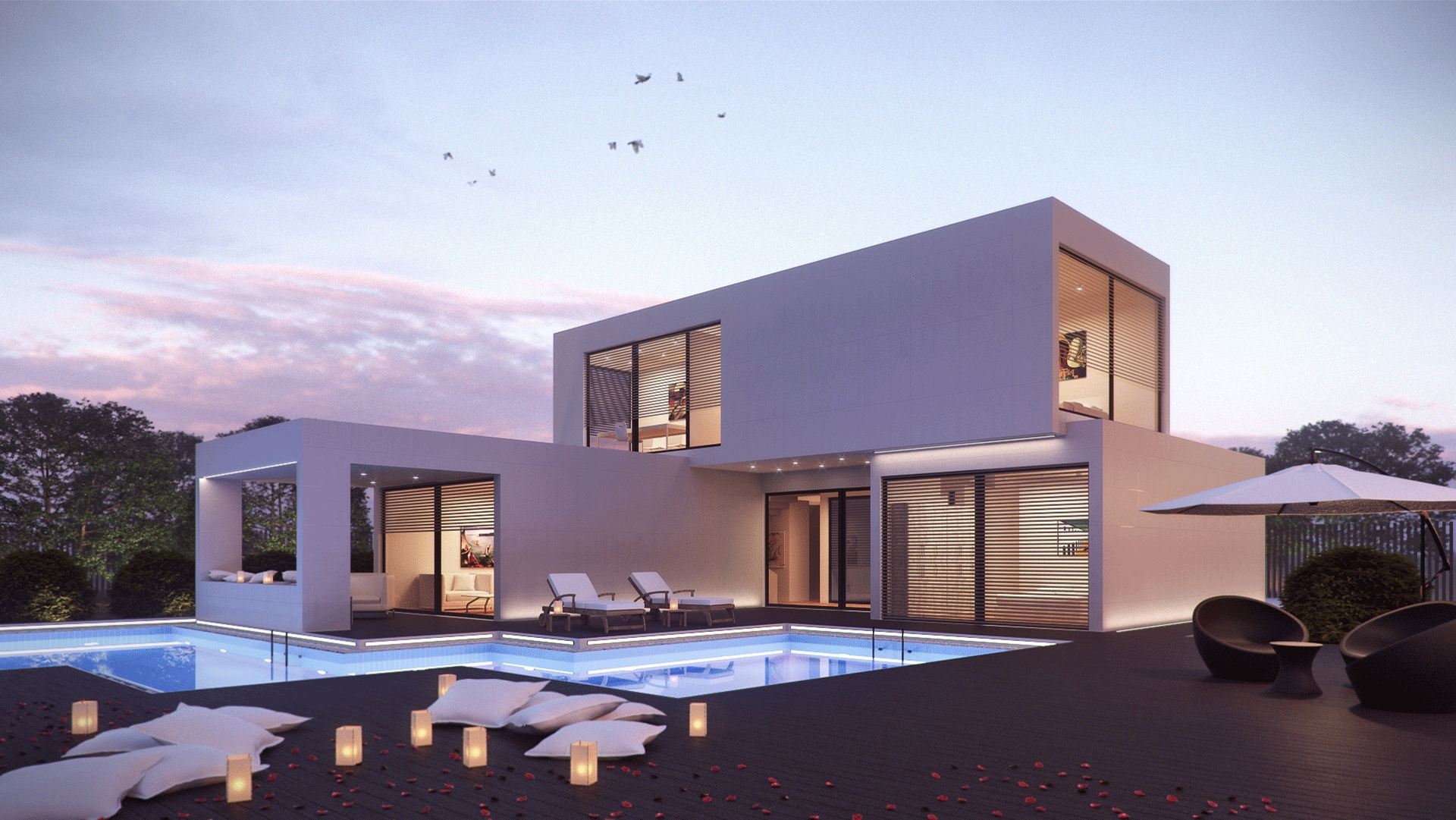
Best Practice: Maximising Engagement with 3D Tools
To unlock the full potential of 3D configurators, embed them strategically within marketing funnels. Ensure the user experience is seamless, mobile-friendly, and guided with clear instructions. Combine configurators with analytics to monitor user behaviour and refine features continually. Integrate follow-up workflows for timely engagement based on configuration choices, turning digital interactions into concrete sales conversations. Here are some best practices:
- Curate options, don't overwhelm.
- Integrate transparent pricing (where appropriate).
- Ensure architectural accuracy via BIM integration.
- Capture data ethically and act on insights.
- Train sales teams on facilitation, not just features.
- Mobile-optimise for pre-visit engagement.
Best Practice: Maximising Engagement with 3D Tools
DX Model module showcases how interactive configurators add tangible business value. Discover how this module can increase your conversion rates and buyer commitment. Contact us for a confidential consultation and see the DX Model in action tailored to your next development.
Recent Articles

The pre-contract checklist: 18 things to confirm before you sign with a builder
Planning a home cinema in Australia: What drives the cost and how to review it in VR first