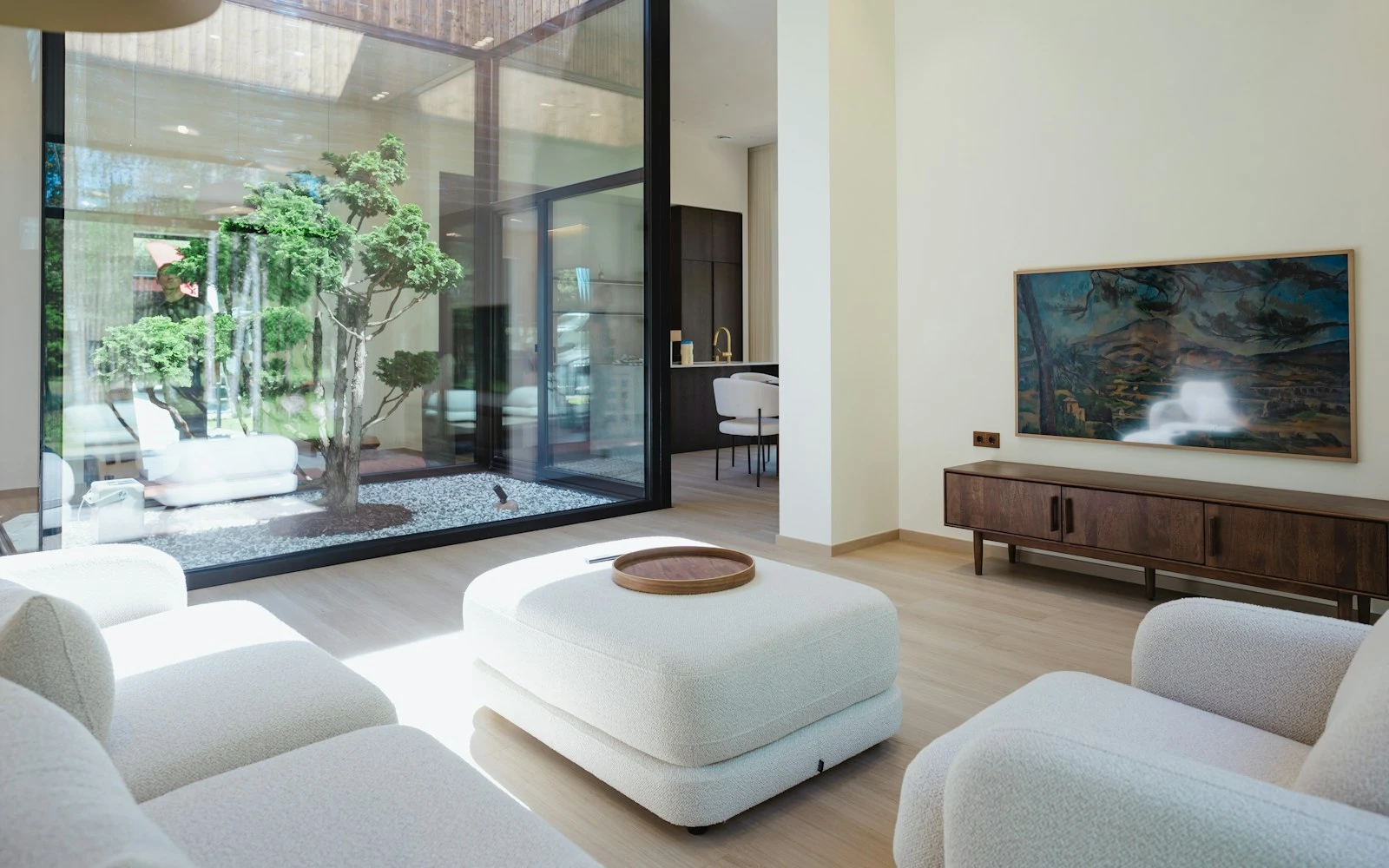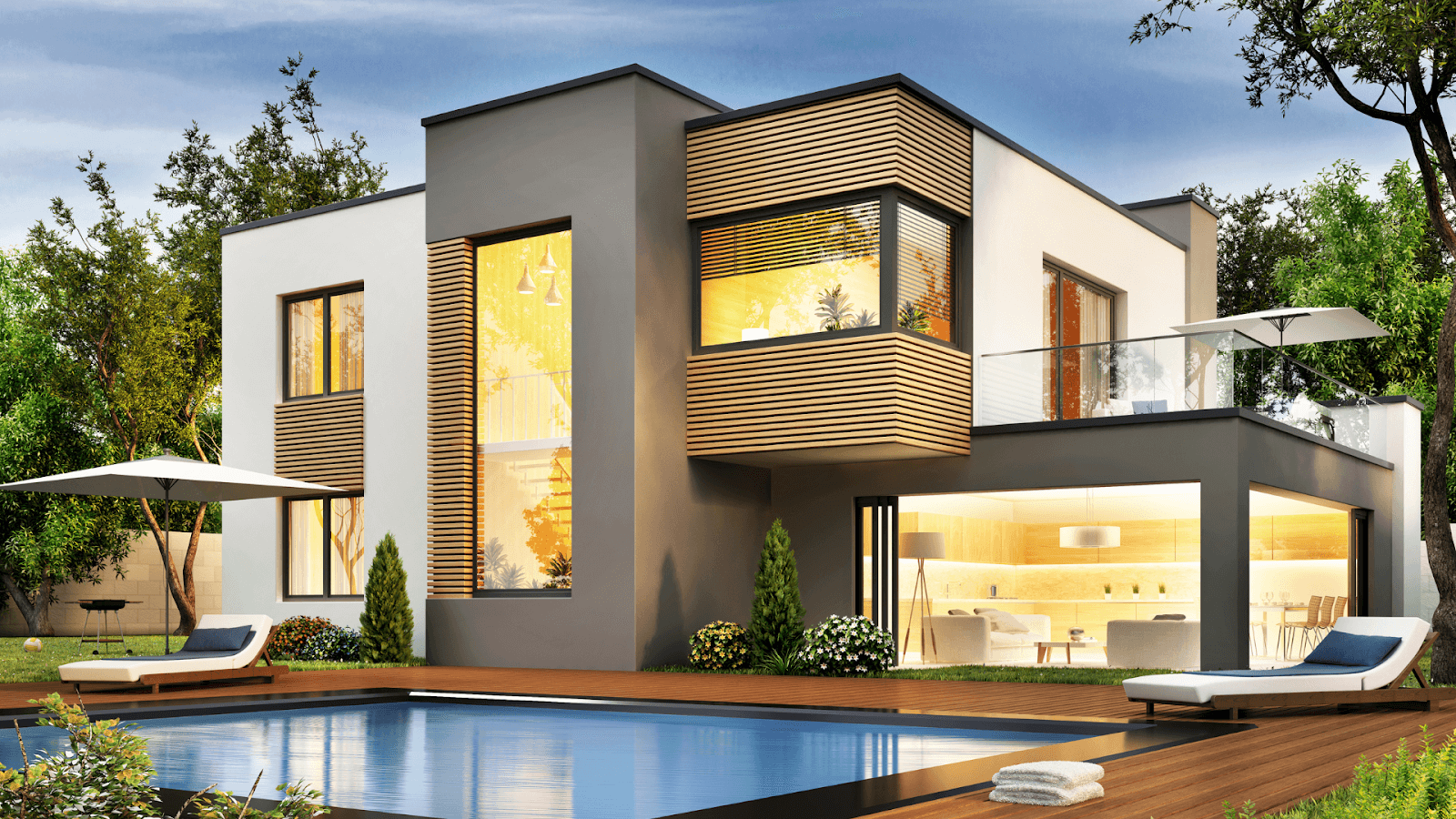
Duplex projects demand confident decision-making spatial quality, material durability, acoustic comfort, construction sequencing must align before breaking ground. DX Living delivers immersive visualisation, supplier-backed product selections, BIM coordination, and 4D sequencing transforming uncertainty into clarity. Test layouts in photorealistic detail, compare finish options instantly, validate privacy and light quality, and secure stakeholder buy-in fast. Fewer surprises, faster decisions, better outcomes.
What is a duplex?
Two homes on one block, each with its own front door
A duplex is two separate dwellings on a single lot, each with independent entry, living spaces, bedrooms, bathrooms, kitchens, and outdoor areas. Unlike semi-detached houses (two lots), duplexes share one title typically strata-titled for individual ownership or retained as investment property.
Who it suits: Families, investors, multi-gen living
- Families: Downsize whilst keeping extended family close (parents in one unit, adult children in the other).
- Investors: Build two income streams on one block; rental yield potential plus land value appreciation.
- Multigenerational living: Independence with proximity separate households, shared land, mutual support.
Key upsides: Value, flexibility, potential rental income
- Land efficiency: Maximise density without high-rise; suit established suburban contexts
- Flexibility: Owner-occupy one, rent the other; swap units as needs change
- Capital growth: Two properties appreciate; diversify investment risk
- Relative affordability: Smaller individual footprints reduce per-dwelling build costs vs standalone homes
First steps: Block, sun, and street
Where the sun comes from and where the best views are
Australian climate prioritises north-facing living zones for passive solar gain warm winter sun, manageable summer heat with shading. Assess:
- Solar path: North-facing living/outdoor areas; bedrooms east (morning light) or west (afternoon warmth)
- Views: Frame desirable outlooks (parks, streetscapes, landscape); screen undesirable (neighbouring windows, service areas)
- Prevailing winds: Capture cooling breezes (typically south-east in coastal zones); shelter from harsh westerlies
Simple privacy moves (window placement, planting, screens)
Maintain privacy between units and from neighbours:
- Window offset: Stagger window positions between duplexes to prevent direct sightlines
- High-level glazing: Light without overlooking clerestory windows, highlight strips
- Planting layers: Screening trees, hedges, vertical gardens along boundaries
- Perforated screens/louvres: Maintain views out, block views in; add facade depth
Picking a floor plan style
Mirrored (same plan each side): Simple and efficient
Pros:
- Cost-effective: identical plans, mirrored services (plumbing, electrical)
- Simplified documentation, procurement, coordination
- Predictable construction sequence
Cons:
- Limited privacy: opposite windows, overlapping outdoor zones
- Less individual identity: harder to differentiate for resale/rental marketing
Offset (staggered): More privacy and light
Pros:
- Enhanced privacy: staggered windows, outdoor areas don't align
- Individual character: varied facade expression, interior layouts
- Better daylighting: offset volumes create light pockets
Cons:
- Higher costs: increased structural/services complexity (5–10% premium)
- More documentation: two distinct designs require separate detailing
Split-level (handles slopes): Good flow without big retaining walls
Pros:
- Site-responsive: follows natural gradient, reduces cut/fill
- Visual interest: varied ceiling heights, split-level spatial flow
- Acoustic separation: vertical offset between shared walls
Cons:
- Accessibility: stairs between levels challenge mobility-impaired occupants
- Complex waterproofing: split-level junctions require careful detailing
Light, air, and everyday comfort
Big windows where it matters
Maximise useful daylight whilst managing solar gain:
- North-facing: Large glazing (sliding/folding doors) with eaves (600–1200mm overhang) to block summer sun, permit winter sun
- East/west-facing: Smaller windows with vertical fins, external blinds, or perforated screens to control low-angle sun
- South-facing: Minimal glazing (except views); prioritise insulation over window area
Fresh-air paths through the home
Design cross-ventilation for natural cooling:
- Operable windows on opposite sides of rooms
- High-level louvres/awning windows for hot air exhaust
- Breezeway corridors, courtyards, or voids to draw air through deep plans
Quiet spaces for sleep and work
Acoustic comfort requires deliberate planning:
- Party wall separation: Fire-rated, acoustically insulated assemblies (Rw ≥50 dB target)
- Bedroom placement: Away from shared walls, noisy zones (kitchens, living areas)
- Home office zones: Dedicated quiet spaces with acoustic doors, soft finishes (carpet, curtains, acoustic panels)
Looks that last (outside & inside)
Durable outside materials for Australian weather
Australian conditions UV exposure, coastal salt, bushfire risk, temperature extremes demand robust materials:
- Brick/masonry: Thermal mass, fire-resistant, low maintenance; coastal areas require salt-resistant mortars
- Fibre cement cladding: Weather-resistant, BAL-rated options (James Hardie, Scyon)
- Render systems: Acrylic/silicone renders over insulated substrates; flexible for movement
- Hardwood timber: Spotted gum, ironbark naturally durable; require maintenance schedules
A calm, consistent palette add character with texture, not clutter
Maintain cohesive facade language whilst providing subtle differentiation:
- Base palette: 2–3 primary materials (e.g., brick + render + timber accents)
- Texture variation: Smooth vs ribbed profiles, vertical vs horizontal orientation
- Tone shift: Warm grey + charcoal within same material family
- Depth/reveals: Staggered planes, recessed entries, expressed lintels
Avoid garish contrasts restraint signals quality, appeals to discerning buyers.
Storage built In: Less mess, more breathing room
Eliminate visual clutter with integrated storage:
- Mudrooms: Coat hooks, shoe storage, bench seating at entries
- Walk-in pantries: Appliance garages, dry goods, cleaning supplies
- Built-in wardrobes: Floor-to-ceiling, concealed handles, integrated lighting
- Under-stair storage: Maximise dead space with pull-out drawers, wine racks
Design storage into architecture not as afterthought furniture.
Running costs and sustainability (made simple)
All-electric ready (Induction cooking, EV point)
Future-proof with all-electric systems:
- Heat pumps: Hot water + hydronic heating/cooling (COP ≥3.5)
- EV charging: 7kW wallbox per dwelling, futureproofed supply
Solar and battery if possible
- Solar PV: 5–8kWp per dwelling, 10–13.5kWh battery storage (Tesla Powerwall, Enphase)
- Insulation: Walls R2.5–R3.0, ceilings R4.0–R6.0 (climate zone dependent)
- Airtightness: Target ≤10 ACH @50Pa (reduces heating/cooling loads)
- Thermal breaks: Isolate slabs, balconies, lintels to prevent cold bridging
Garden choices that save water and stay green
- Native, drought-tolerant species: Reduced irrigation demand, pollinator-friendly
- Mulch + drip irrigation: Minimise evaporation, target root zones
- Rainwater tanks: 2,000–5,000L per dwelling for WC flushing, laundry, garden
- Permeable paving: Reduce runoff, recharge groundwater
Choose real products, not just pictures
Work with verified products (windows, doors, cladding, lights)
Generic specifications create procurement ambiguity, variation orders, programme delays. DX Living integrates actual supplier products:
- Windows/doors: Viridian double-glazed units, Hume Doors acoustic sets, Gainsborough hardware
- Cladding: James Hardie HardieTex™, Scyon Axon™ with specific finishes
- Lighting: Lightco recessed LEDs, Beacon Lighting pendants with exact SKUs
- Fixtures: Caroma sanitaryware, Methven tapware with model numbers
See colours and finishes together before you decide
DX Living's immersive platform enables:
- Material libraries: Browse verified products with accurate textures, colours, finishes
- Live swapping: Change flooring, cladding, worktops instantly see results in context
- Side-by-side comparison: Test Palette A (brick + timber) vs Palette B (render + metal) simultaneously
Fewer surprises later = fewer changes and delays
Locking supplier-backed selections early:
- Prevents late-stage substitutions (different lead times, costs, specs)
- Enables accurate cost forecasting with real product pricing
- Reduces variation orders, programme delays, stakeholder friction
See it before you build
Photoreal images to show what the space really feels like
DX Living produces photorealistic renders:
- Exteriors: Street views, rear elevations, landscape integration
- Interiors: Living zones, kitchens, master suites, bathrooms
- Lighting scenarios: Daytime natural light, evening artificial lighting
Rendered at 4K resolution with accurate materials, shadows, reflections indistinguishable from photography.
Short walkthrough video to "tour" your home
60–90 second narrated flythrough:
- Navigate entry → living → kitchen → bedrooms → outdoor areas
- Smooth camera paths, consistent speed, strategic pauses at key spaces
- Exportable for stakeholder presentations, marketing, approvals
Make quick A/B choices (kitchen scheme, facade option) in one session
Compare alternatives in real time:
- Kitchen A: White handleless units + composite stone vs Kitchen B: Timber veneer + engineered stone
- Façade Option 1: Brick + vertical timber battens vs Option 2: Smooth render + horizontal cladding
Stakeholders see both simultaneously accelerating consensus, reducing decision fatigue.
Time and budget: Keep it clear
Decide the must-haves vs nice-to-haves early
Prioritise non-negotiables:
- Must-haves: High-performance glazing, envelope insulation, acoustic party walls, storage
- Nice-to-haves: Premium fixtures, bespoke joinery, elaborate landscaping
Clarify budget hierarchy prevents scope creep, enables strategic value engineering.
Lock big choices (Layout, windows, kitchen) to avoid rework
Late changes cascade into expensive rework:
- Layout modifications after services coordination: $$$ (plumbing/electrical re-routing)
- Glazing changes after framing: $$ (structural lintels, weatherproofing)
- Kitchen spec after joinery fabrication: $$$ (scrapped custom units)
Use immersive visualisation to validate decisions before procurement.
Simple rule: one "hero" feature per space
Avoid visual clutter:
- Living room: Feature fireplace or statement joinery not both
- Kitchen: Sculptural island or bold splashback not both
- Master bedroom: Timber-clad feature wall or bespoke headboard not both
Restraint creates visual calm, highlights architectural quality.
Common mistakes (and how to fix)
| Mistake | How to fix |
|---|---|
| Too much glass with no shade → overheating, glare | Add eaves (600–1200mm), vertical fins, external blinds, solar-control glass |
| No storage plan → clutter, visual chaos | Build storage into architecture: mudrooms, pantries, wardrobes from day one |
| Two homes that don't "match" → confused aesthetics | Keep one overall material palette; vary small details (texture, tone, reveals) |
| Ignoring acoustics → noise bleed between units | Specify party walls Rw ≥50 dB, acoustic doors, soft finishes; avoid back-to-back services |
| Generic product specs → procurement confusion | Use real supplier SKUs (windows, doors, cladding) with lead times, costs, specs |
Ready to see your duplex before you build?
Book a short DX Living walkthrough compare two layout options side-by-side, select real products from verified suppliers, test material palettes in context, and move forward with absolute confidence. Eliminate guesswork, reduce rework, accelerate approvals.
Contact us today to experience your duplex design in stunning, interactive detail.
FAQ
What's the typical cost to build a duplex in Australia?
AU$400,000–$800,000 per dwelling depending on location, specification, and site conditions. Sydney/Melbourne typically AU$2,500–$3,500/m²; regional areas AU$2,000–$2,800/m².
Do I need council approval for a duplex?
Yes most councils require Development Application (DA) approval. Requirements vary by Local Environmental Plan (LEP), minimum lot size, setbacks, height limits. Consult town planner early.
Can I subdivide a duplex onto two separate titles?
Depends on council regulations some permit strata/torrens subdivision, others require minimum lot sizes. Subdivision adds legal/surveying costs (AU$15,000–$30,000) but enables individual sale.
How long does it take to build a duplex?
12–18 months from DA approval to completion: approvals (3–6 months), construction (9–12 months). Prefab/modular approaches can reduce to 8–12 months total.
What's the difference between mirrored and offset duplex layouts?
Mirrored layouts are identical plans flipped cost-efficient but less privacy. Offset layouts stagger floor plans better privacy, individual identity, but 5–10% higher costs due to increased complexity.
Do I need separate NatHERS assessments for each duplex unit?
Yes each dwelling requires independent NatHERS energy rating (6-star minimum in most Australian climate zones). Shared party walls provide thermal benefit but units assessed separately.
Can I use DX Living's visualisation without VR headset?
Yes desktop mode (mouse/keyboard navigation) provides full functionality. VR headsets (Meta Quest, HTC Vive) enhance immersion but aren't mandatory for effective design reviews.
Recent Articles
The pre-contract checklist: 18 things to confirm before you sign with a builder
Planning a home cinema in Australia: What drives the cost and how to review it in VR first