
Introduction
Building Information Modelling (BIM) has changed the way commercial buildings are built all over Australia, but it is still not often used in custom home design. In Australia, BIM has gone from being a way for architects to get ahead of the competition to being a requirement. Building Information Modeling (BIM) is now necessary for top custom house designers since their projects are getting more complex, they have to follow more rules, and their clients are getting more demanding. Good BIM integration not only protects the design intent, but it also helps developers, architects, engineers, and contractors work together more effectively.
BIM makes it easier for architects, structural engineers, and builders to work together on a project since it creates smart, data-rich models instead of traditional 2D paperwork. As Australian building rules get stricter and consumer demands rise, it's important for businesses to understand how to use BIM. This article goes over the most important parts of BIM implementation that are specific to custom home design, from clash detection procedures to helpful coordination methods.
Strong government support
Design intent in BIM extends far beyond visual representation. In a BIM environment, every element contains embedded intelligence—manufacturer details, thermal properties, fire ratings, and material specifications. This allows architects to demonstrate not just how a custom home will look, but precisely how it will perform.
Clash Detection: Preventing Problems Before They Start
One of BIM's most valuable advantages for bespoke home construction is real-time clash detection. Traditionally, architects, structural engineers, and MEP consultants work from separate documents, meaning conflicts—whether spatial (ductwork colliding with beams), compliance-related, or clearance issues—are discovered too late, often on-site. BIM platforms enable model-based coordination that identifies and highlights these conflicts during the design phase, allowing resolution before construction begins. This proactive approach prevents costly delays, eliminates expensive rework, and keeps projects on budget.
Maintaining Design Integrity Through Parametric Modeling
Australian architects value BIM's ability to preserve design intent throughout all project phases. When clients request design modifications, parametric modeling instantly propagates changes across section views, floor areas, door schedules, and related documentation. This eliminates the documentation errors common in traditional CAD workflows.
Single Source of Truth
The intelligent model becomes the definitive reference point for all stakeholders. Quantity surveyors extract precise material quantities, while structural engineers analyze load patterns using the same coordinated data. This solves the version control challenges that arise when consultants work from outdated 2D drawings, ensuring everyone operates from current, accurate information.
Clash Detection and Reduction
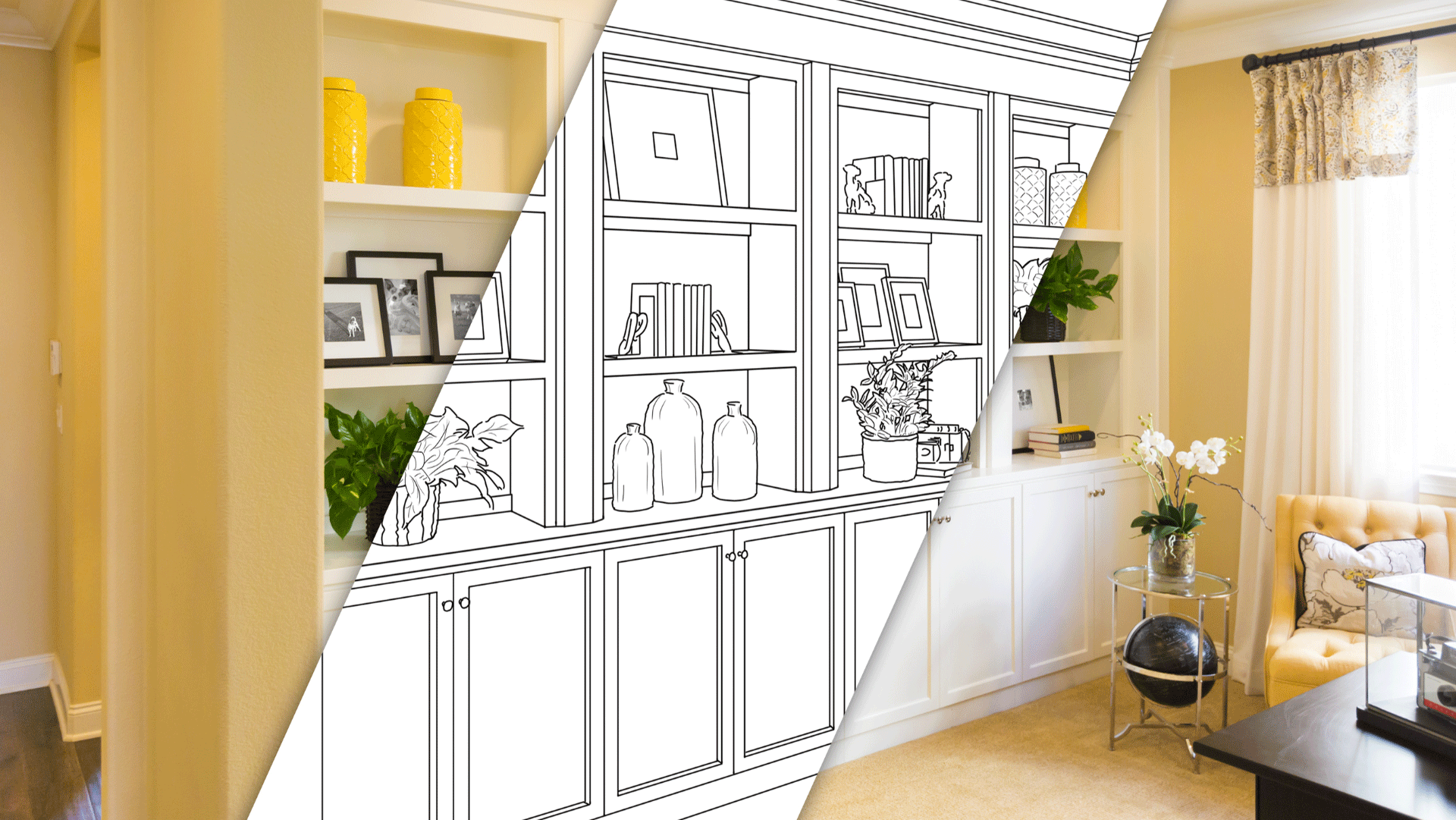
One of BIM's most immediate advantages for custom home construction is clash detection. The software automatically finds problems with building systems that are in the way of each other, such ceiling heights that get in the way of services, plumbing penetrations that put structural parts at risk, or structural beams that cross HVAC ducting.
One of BIM's most immediate advantages for custom home construction is clash detection. The software automatically finds problems with building systems that are in the way of each other, such ceiling heights that get in the way of services, plumbing penetrations that put structural parts at risk, or structural beams that cross HVAC ducting.
In Australian bespoke homes, conflicts are common: steel posts interfering with window placements, roof framing clashing with bulkhead details, and subsurface drainage conflicting with footings. Discovering these issues on-site costs thousands of dollars and causes delays, yet identifying them digitally takes only hours.
For collision detection to work, model management must be done in a disciplined way. Architects should set up early procedures for finding clashes and undertake automated checks during the SD, DD, and CD phases. Put disagreements into three groups based on how serious they are: workflow clashes (when 4D models have time conflicts), soft clashes (when people can't agree on something), and hard clashes (when people are fighting).
Concentrate on finding clashes at high-risk residential construction sites, like complicated roof-to-wall connections, service penetrations into fire-rated buildings, and wet locations where waterproofing meets structural. Make an audit trail that protects everyone by keeping track of how conflicts were resolved inside the model itself.
Improved Coordination with Builders
BIM changes the way an architect and a builder work together in a big way. Instead of putting drawings out for competitive tender, architects might provide builders federated models that include information about the building's architecture, structure, and services. This cuts down on differences in contracts and makes it possible to set exact prices.
More and more Australian builders that want to stay ahead of the game need BIM deliverables. Models are used for planning before construction, site logistics, and working together on fabrication. When it comes to custom homes, this means being more open about sensitive topics like complex timber construction, cantilevered buildings, or specialist facade systems.
This is how coordination workflows have always worked: consultants make discipline-specific models, contractors get coordinated documents, and architects host the federated model on a common data environment (CDE). At regular coordination meetings, reports of clash detection are looked at, and disagreements are worked out together.
The model also makes value engineering easier. Architects may quickly make smart decisions by looking at how a builder's suggested alternative materials or building methods would affect the design's purpose, energy efficiency, and quality of space in the BIM environment.
A central, federated BIM model creates one source of truth. Engineers, architects, builders, and QS all work with data sets that are always up to date and have version control. IFC and other open standards make it easy to share the model, which makes it easy for people to work together on different software systems. Providing builders with the most up-to-date intent, coordinated details, and change histories greatly lowers the chance of mistakes happening on-site. By getting builder input early on through automated schedule extraction and 4D sequencing, the planning of materials and methods of construction is improved.
BIM fundamentally changes how architects and builders collaborate. Instead of traditional tender drawings, architects provide federated models containing architectural, structural, and services data—reducing contract variations and enabling precise pricing.
Progressive Australian builders now require BIM deliverables for pre-construction planning, site logistics, and fabrication coordination. For custom homes, this brings transparency to complex elements like intricate timber construction, cantilevered structures, and specialist facade systems.
Coordination Workflow
Consultants create discipline-specific models hosted in a common data environment (CDE). The federated model becomes the single source of truth, with clash detection reports reviewed at regular coordination meetings where conflicts are resolved collaboratively.
Value Engineering and Decision-Making
BIM enables rapid value engineering analysis. When builders suggest alternative materials or methods, architects can instantly assess impacts on design intent, energy performance, and spatial quality within the model environment.
Single Source of Truth
The federated BIM model ensures all stakeholders—architects, engineers, builders, and quantity surveyors—work from synchronized, version-controlled data. Open standards like IFC facilitate seamless cross-platform collaboration, delivering coordinated details and change histories that minimize on-site errors.
Early builder engagement through automated schedule extraction and 4D sequencing optimizes material procurement and construction methodology planning.
Key BIM Features Australian Architects Should Use
- Parametric Modelling: Make design families for things that will be used over and over, like custom woodwork, screening systems, or facade modules. Changes spread automatically, making sure that all documents are the same.
- Energy Analysis Integration: Connect BIM models to NatHERS simulation tools to combine energy analysis. Before writing down your decisions concerning orientation, glazing ratios, and thermal mass, check them in real time to make sure they work optimally.
- Automated Scheduling: You can make schedules for doors, windows, and finishes right from the model data. When designs change, the specs automatically update, so you don't have to adjust the schedule by hand.
- 4D Sequencing: For sophisticated bespoke homes, plan when the work will be done. Check out how the building will be put together, learn about any restrictions on site access, and let clients know about the staging.
- Quantity Take-Off: Get the correct amounts of supplies so you can calculate out how much they will cost. This feature doesn't replace quantity surveyors, but it does enable architects evaluate the estimates of consultants and see how different design decisions may effect prices.
- AS/NZS Standards Libraries: Use BIM libraries that meet Australian standards for building materials, structural steel, and timber framing. This makes sure that some parts follow the rules.
Challenges and Best Practices
Implementing BIM for architects Australia presents distinct challenges in residential practice. Initial software investment and training time deter smaller firms. The price of software and the time it takes to learn how to use it keep small firms from using it. People who desire to build their own homes might not perceive the value in BIM and instead see it as an extra cost.
Best practices for successful implementation:
Begin with test projects Start with easy custom homes to improve your BIM skills before moving on to more difficult plans. Make clear BIM Execution Plans (BEPs) that explain how to identify files, how complicated the models are, and who is in charge of coordinating.
Put money into training in a smart way. Instead of characteristics that are primarily about infrastructure, focus on elements that are directly helpful for residential work, such parametric families, documentation methods, and clash detection.
Use pictures and videos to show clients how BIM may help them. Real-time design assessments and walkthrough animations show value that static drawings can't, which is why the investment is worth it.
Hire builders and experts who are familiar with BIM. The advantages in efficiency are considerably bigger when everyone works in a BIM environment. Consider hiring builders and structural engineers who already use BIM in their operations.
Make sure that systems can function together by doing things. Share models in IFC (Industry Foundation Classes) formats so that consultants who use different applications can work together easily. To keep track of changes to the model, implement rules for version control.
Conclusion
BIM integration represents the future of custom home design in Australia. For architects, the question isn't whether to adopt BIM, but how to implement it strategically within residential practice. The benefits reduced errors, improved coordination, and enhanced design quality far outweigh the learning curve.
Success requires commitment to training, investment in appropriate software, and cultivation of BIM-capable project teams. As Australian building regulations evolve and client expectations rise, architects who master BIM workflows position themselves competitively for complex custom home commissions.
Contact us to learn how DX LIVING can streamline your custom home project with next-generation BIM solutions.
Recent Articles

The pre-contract checklist: 18 things to confirm before you sign with a builder

Planning a home cinema in Australia: What drives the cost and how to review it in VR first