Virtual Reality in Construction: Changing How We See Projects
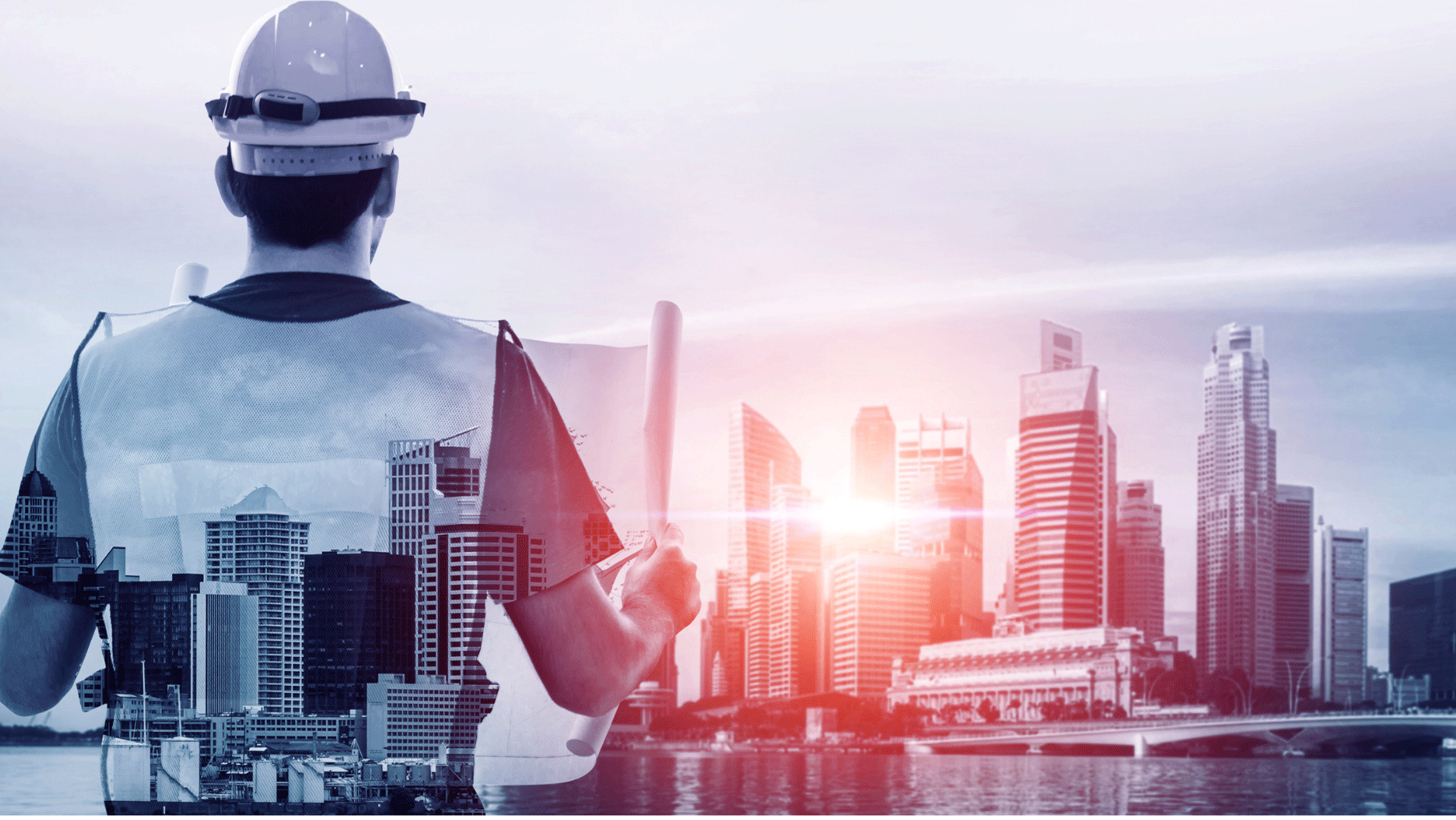
The building industry has progressed past static graphics and blueprints. Virtual reality has altered how developers, architects, engineers, and contractors plan and create things by enabling them walk through buildings before they are completed.
VR fixes problems that have been around for a long time in the industry, like teams not being able to talk to each other, modifications that cost too much and happen too late, and presenting complicated spatial relationships. By creating realistic virtual environments, project teams may uncover problems early, double-check their design choices, and make sure everyone is on the same page before they start building.
From residential buildings to commercial high-rises, VR provides real-world benefits that affect the bottom line. It reduces the number of design modifications, boosts sales conversions, and retains the design's integrity throughout the building process. This technology has changed from being a fun new thing to a vital tool that helps you see things clearly and provides you the confidence you need to execute projects on schedule and under budget.
3D visualizations that are immersive and real
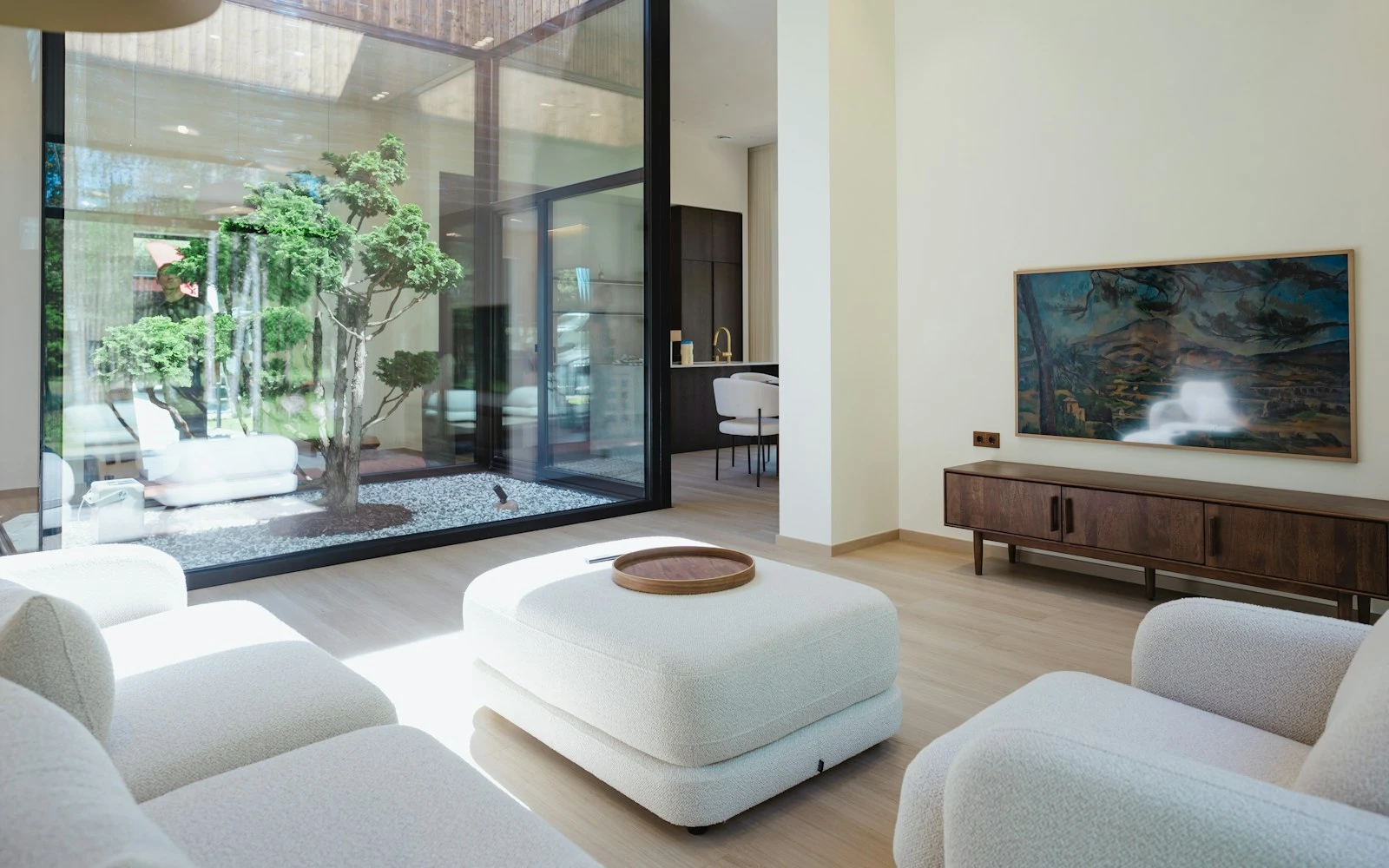
Virtual Reality (VR) puts individuals in life-sized, photorealistic settings, which transforms how they see projects. VR is different from 2D drawings or models on a screen because it lets people move around in a space in a way that feels more real, which helps them comprehend how light, materials, and proportions work. This clarity makes it easier for customers and buyers to grasp houses that are not built yet and designs that are hard to understand.
VR also enables designers make changes in real time, so they can get input from clients straight away and make decisions faster, which saves money on revisions that need to be made later. VR gives engineers a better idea of how structures are created and where they might clash than flat designs provide. This makes it easier to talk to contractors and keeps things from going wrong on the job site. In general, VR helps bridge the gap between what the designer desires and what really happens, making ensuring that everyone has a clear and accurate picture before construction begins.
Finding and fixing design problems early
One of the best things about using VR to visualize a project is that it can expose design conflicts and coordination challenges that other methods might not see. Virtual reality (VR) settings are highly helpful for detecting problems amongst different building systems when they are used with Building Information Modeling (BIM) data.
By strolling around structures, structural engineers may verify the space between beams and the positioning of columns. MEP engineers can detect service routes and probable conflicts with architectural components. This immersive manner of detecting disputes is considerably easier to understand than looking at clash reports in traditional BIM software because team members can see the geographical context of any conflicts straight immediately.
VR reviews are collaborative, so people from different areas can work together to address problems in the virtual environment. Team members can meet in the same virtual area instead of exchanging emails with screenshots attached. They can then point directly at the problems and chat about how to fix them while everyone is on the same page.
This capacity to intervene early makes it considerably less likely that expensive discoveries will be discovered on site and then have to be redone. adjustments to the design made while the building is being built can cost up to 100 times more than adjustments made when the design is being developed. This means that any project that uses VR for early detection is a worthy investment.
Better Planning and Logistics Visualization
VR goes beyond just looking at buildings and engineering to include planning and logistics for construction. By adding time data to spatial models, VR generates 4D environments that show how projects change over time. This helps with better resource allocation and construction sequencing.
Construction managers can travel through virtual sites at different stages of a project to uncover probable difficulties with access, storage, or bottlenecks before they affect the real build. This skill is especially helpful for challenging urban settings where space and logistics problems might slow down the project's progress.
VR environments can make it easier to talk to subcontractors and suppliers who might not be familiar with the project site. Instead of using 2D site plans, teams can take virtual tours of the site that show you how to go to different places, where to store materials, and where different professions need to work together.
You can uncover opportunities to work on two things at once by looking at how construction sequences work. This cuts down on the time it takes to finish the project while maintaining quality and safety requirements high. This better planning skill gets more and more important as projects get more sophisticated and the requirement for stakeholders to work together develops.
More Effective and Safer Training Environments
VR technology makes it possible to practice for safety and get better at things in virtual surroundings that are absolutely safe. Construction sites are full of dangers that make traditional training both costly and possibly deadly. VR, on the other hand, allows for complete safety instruction without putting anyone at risk. In regulated virtual environments, workers can experience realistic situations requiring working at heights, in tight areas, or with dangerous products. VR training settings can create emergency situations that would be too risky or impossible to recreate in real life.
This way of learning by doing works better than learning in a classroom because it helps people gain muscle memory and situational awareness.
In VR training environments, you can create emergency circumstances that would be too dangerous or hard to bring up in real life. Practicing fire evacuation plans, responses to structure collapses, or chemical spill protocols over and over again until they become second nature can greatly improve the safety of the entire site.
VR also lets you learn how to do complicated assembly tasks or operate equipment without having to buy pricey tools or materials. VR training environments can simulate emergency scenarios that would be impossible or dangerous to recreate on actual sites. This skill is very helpful for learning how to use new technology or special construction methods before they are used on real projects
Lower costs and faster decision-making
VR helps people make decisions faster by making it easier to review designs. Clients and stakeholders can quickly understand and choose finishes, layouts, and options without having to see a lot of real-life examples. VR training environments can create emergency situations that would be too dangerous or impossible to create in real life.
This cuts down on expensive design changes and delays, which saves money over the course of the project.
Because VR is so immersive, it speeds up the process of getting design approvals. Clients don't have to wait for professionals to explain technical drawings anymore; they can see how proposed solutions work right away. This speed-up is especially helpful for business projects because it can be hard to finish a project when it takes a long time to get permission.
VR also makes it cheaper to change designs because you can test them out in a virtual world before making changes in real life. You can see how materials, layouts, and architectural features will work in real life, which lowers the chance that you'll have to make costly changes after the building is finished.
VR's collaborative features also help get stakeholders involved, which makes it easier for technical and non-technical decision-makers to talk to each other. It's easier to talk about and make decisions when project boards or investors can see proposed changes in person.
Conclusion
VR technology represents a fundamental shift in how the AEC industry approaches project visualisation, moving beyond static representations to create immersive, interactive experiences that enhance understanding, collaboration, and decision-making. The six benefits outlined realistic visualisation, early issue detection, enhanced planning, safety training, and accelerated decisions demonstrate VR's potential to address longstanding industry challenges whilst improving project outcomes.
As VR technology continues to mature and BIM integration deepens, the gap between virtual and physical environments will continue to narrow. VR training environments can simulate emergency scenarios that would be impossible or dangerous to recreate on actual sites.
Projects that use VR-enabled visualization today will be able to get better results tomorrow with less risk, happier stakeholders, and better cost control.
DX Living's all-encompassing method of project visualization shows how VR technology can be easily added to BIM workflows, supplier databases, and construction planning processes. Their photorealistic rendering and immersive VR experiences let everyone involved in a project really understand it before construction starts. This cuts down on uncertainty and speeds up decision-making at every stage of the project.
Are you ready to change the way you visualize your project? Contact DX Living to explore how VR can enhance your next development.
Recent Articles
The pre-contract checklist: 18 things to confirm before you sign with a builder
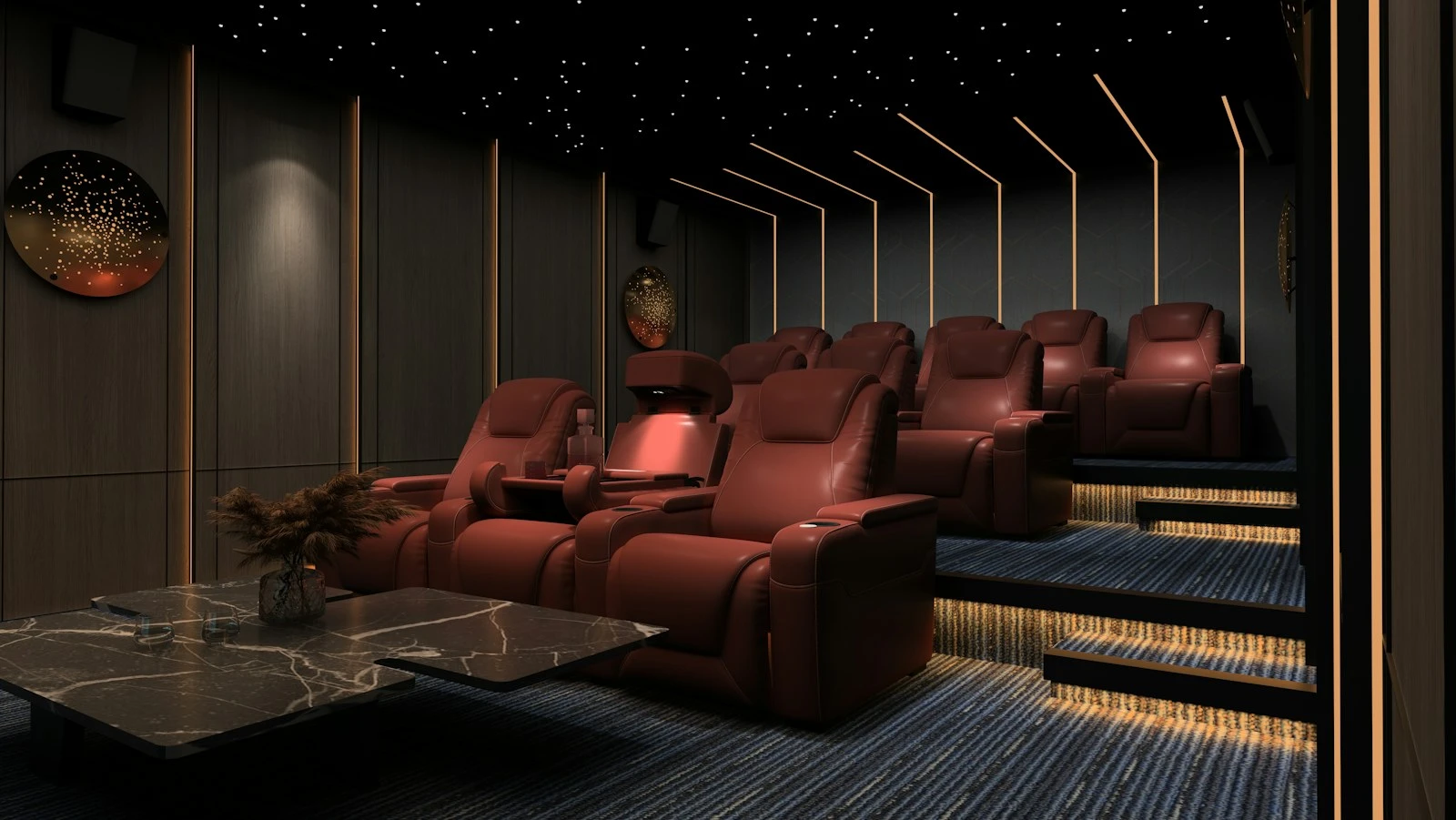
Planning a home cinema in Australia: What drives the cost and how to review it in VR first